biology
2023-09-15 @ 14.57.16 ∈ Suomeksi
2023-08-29 @ 17.37.55 ∈ In English
2023-08-28 @ 19.00.02 ∈ In English
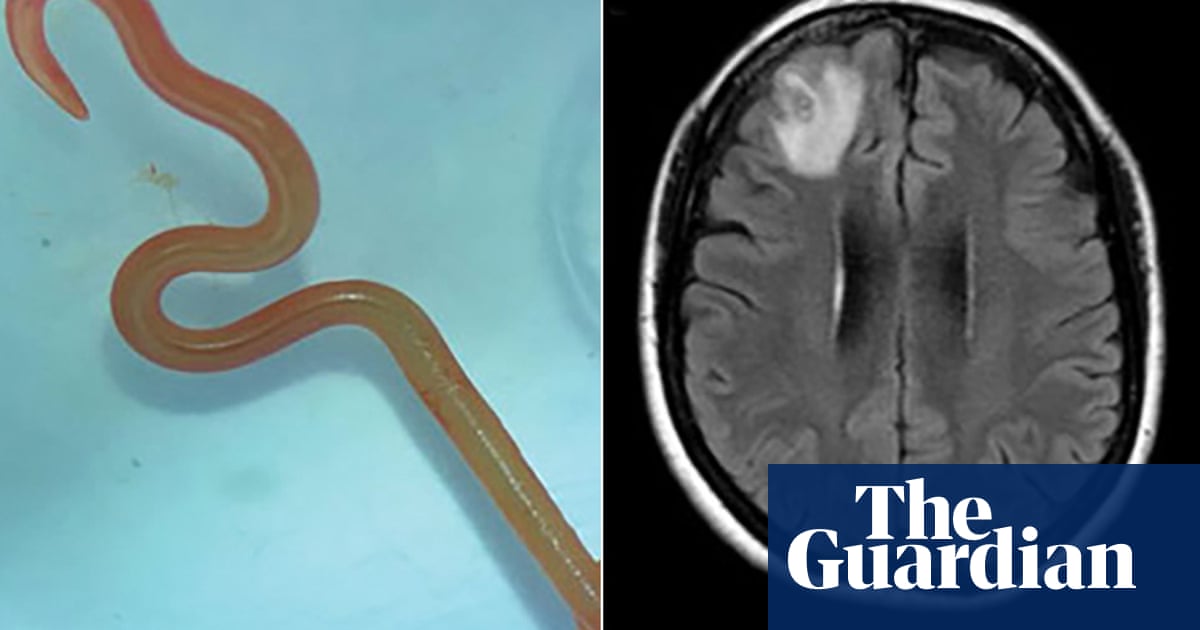
‘Oh my God’: live worm found in Australian woman’s brain in world-first discovery
The doctors and scientists involved in her case hypothesise that a python may have shed the parasite via its faeces into the grass. They believe the patient was probably infected with the parasite directly from touching the native grass or after eating the greens.
2023-08-20 @ 9.41.21 ∈ In English
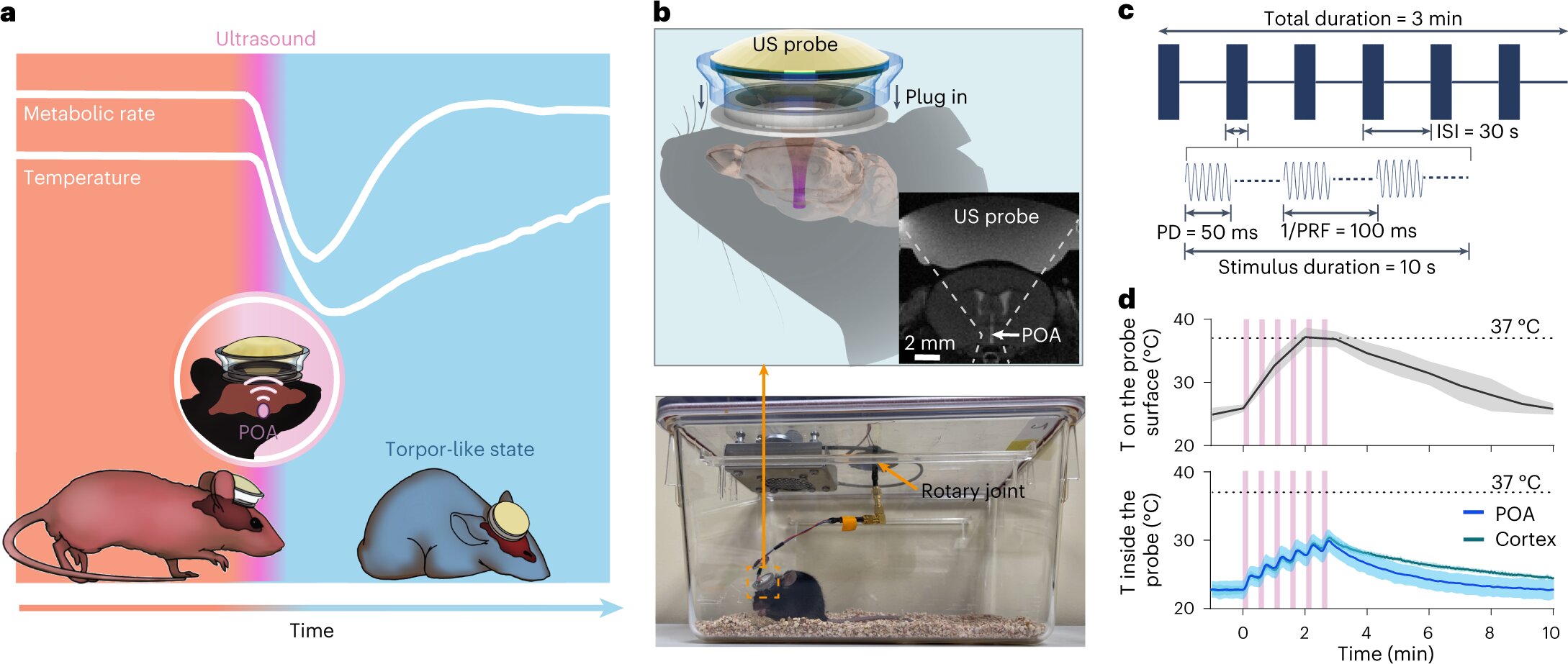
Ultrasound can briefly induce a hibernation-like state in animals
By examining mouse brain activity and tissue, they determined that the ultrasound procedure was activating neurons within the preoptic area. The authors also identified a likely mechanism for the ultrasound-induced torpor—a protein, also found in humans, that allows ions to flow into and activate these neurons.
2023-07-23 @ 13.57.46 ∈ Suomeksi
2023-07-11 @ 19.17.27 ∈ In English

2023-07-07 @ 19.20.07 ∈ In English
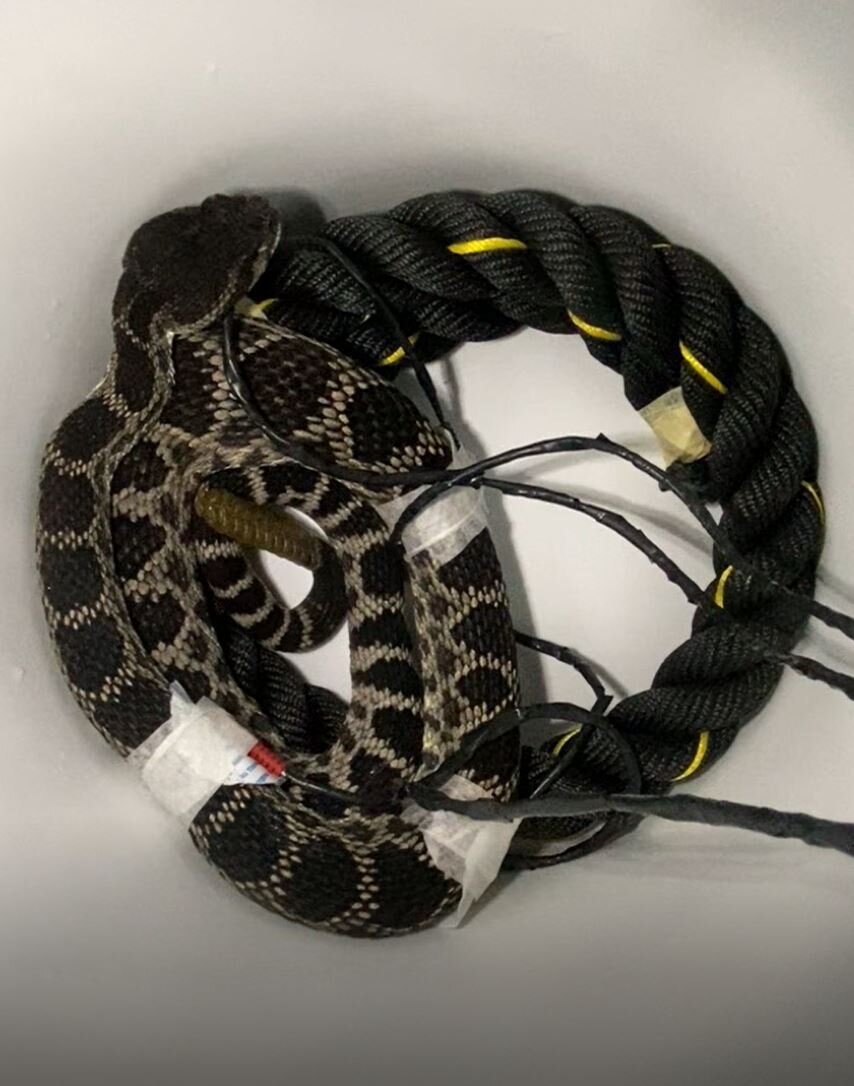
Stressed rattlesnakes found to calm down in the company of a nearby ‘friend’
In highly social animals, such as mammals and birds, this phenomenon is well studied. Now, researchers have examined social buffering in rattlesnakes and found that the presence of a second snake significantly reduced rattlesnakes' change in heart rates after they experienced disturbance. It is the first evidence of social buffering in reptiles.
2023-06-15 @ 17.05.41 ∈ In English
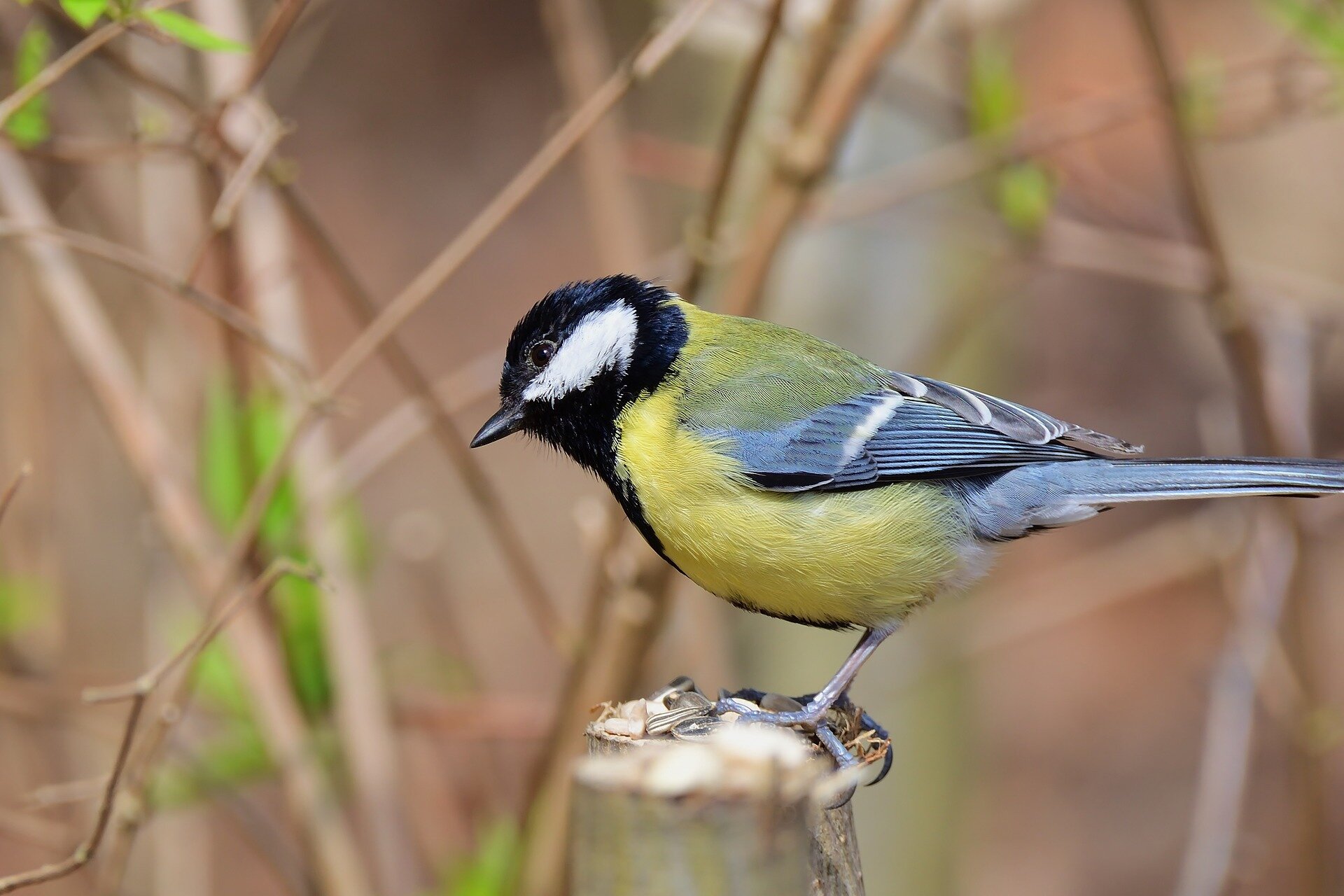
Urban great tits less stressed than their countryside cousins, finds study
"The great tit's high cognitive capacity means it is highly adaptable, and urban great tits seem to have adapted so well to the new environment that they are not stressed by high population density. Another possible explanation is that it was the most intelligent and most flexible individuals who succeeded in colonizing urban environments in the first place," says Anders Brodin, biologist at Lund University.
2023-06-14 @ 19.35.34 ∈ In English
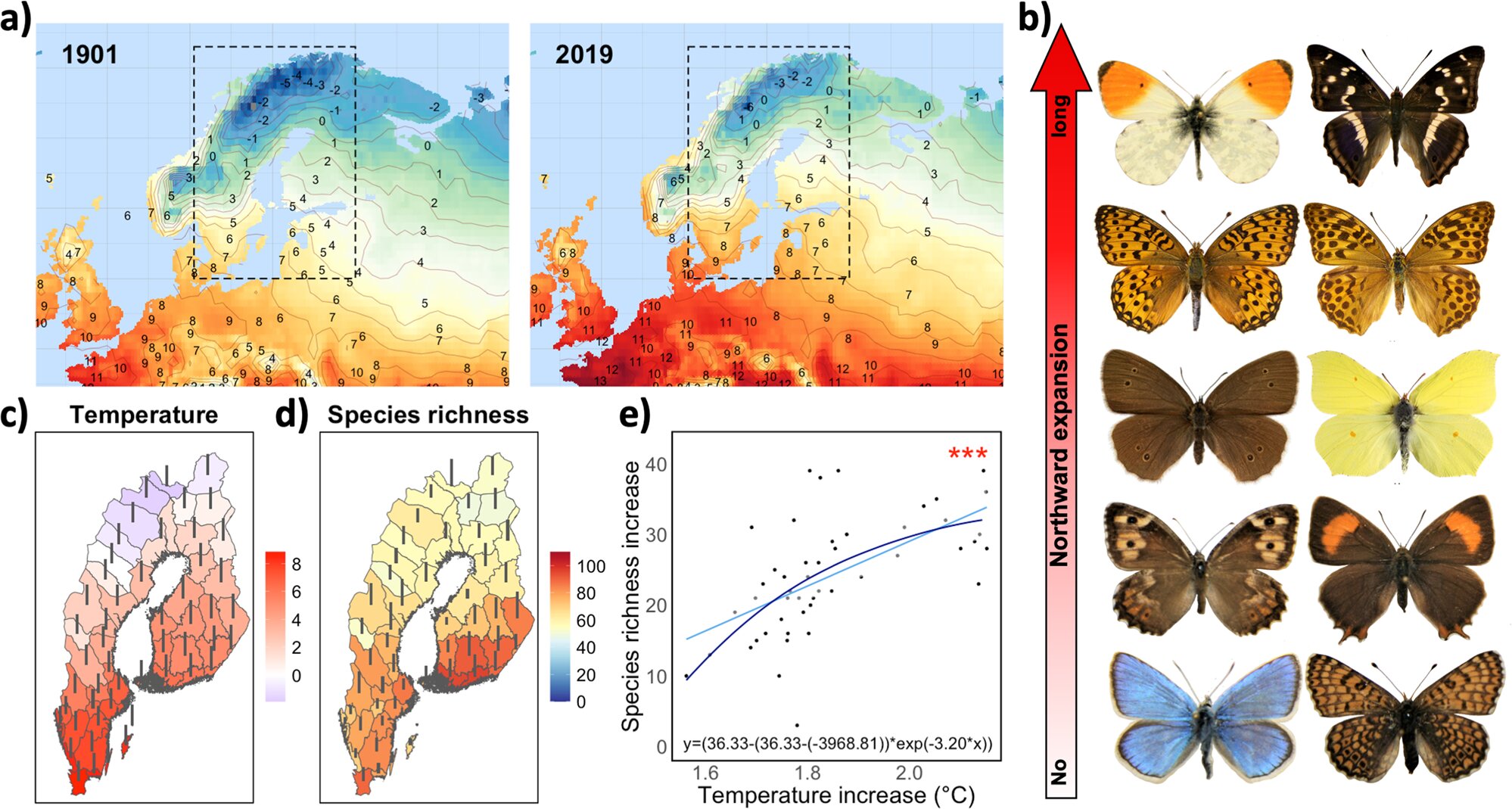
Climate change has increased diversity of butterflies in Sweden and Finland, may have major ecosystem consequences
New research shows that butterflies have expanded their ranges over the past 120 years to cope with a warmer climate in Sweden and Finland. Although driven by a warmer climate, range expansions have also been influenced by human land use and vary according to species thermal tolerances and habitat preferences.