In English
2026-10-30 @ 14.26.44 ∈ In English
Reexamining Sexual and Species Recognition in Butterflies: The Partner-Hazard Space Framework
Thus, known butterfly interactions can be explained by assuming that they possess a sexual-partner template (that elicits mating behavior) and a hazard template (that elicits escape responses). Within this framework, other animals can be located in a space according to their similarity to sexual-partner and hazard templates.
2026-10-22 @ 17.55.53 ∈ In English
2026-10-22 @ 13.12.34 ∈ In English

Confident and resourceful: Psychologists investigate creativity in young and old alike
[Pre-school] children are far more imaginative than adults – or so the widely held view goes. A new study shows that, objectively speaking, the opposite is true. However, the little ones do derive considerably more enjoyment from creative tasks.
2026-10-22 @ 13.09.25 ∈ In English
Not all butterflies are monarchs: orientation using daytime celestial cues but not magnetic cues in European migratory red admirals (Vanessa atalanta)
Our results demonstrate that (i) red admirals primarily rely on solar cues for selecting their migratory direction; (ii) they show no response to clock-shift manipulation; and (iii) there is no evidence of magnetic compass use. These findings contrast with monarch butterflies, which rely on both a time-compensated sun compass and a light-dependent magnetic compass, and reveal interspecific variation in compass use among diurnal Lepidoptera.
2026-10-14 @ 12.01.00 ∈ In English

Frontiers | Unearthing a fungal giant: Dianjunaceae fam. nov., a novel Paleocene lineage of Xylariales harboring Dianjunus rex gen. et sp. nov
During mycological surveys in Yunnan Province, China, specimens of a fungus producing massive, upright stromata up to 50 cm high and individually 2.2 kg in weight were sampled.
2026-10-13 @ 18.31.12 ∈ In English
2026-10-13 @ 18.28.16 ∈ In English
2026-10-06 @ 16.19.40 ∈ In English

2026-10-03 @ 11.57.10 ∈ In English
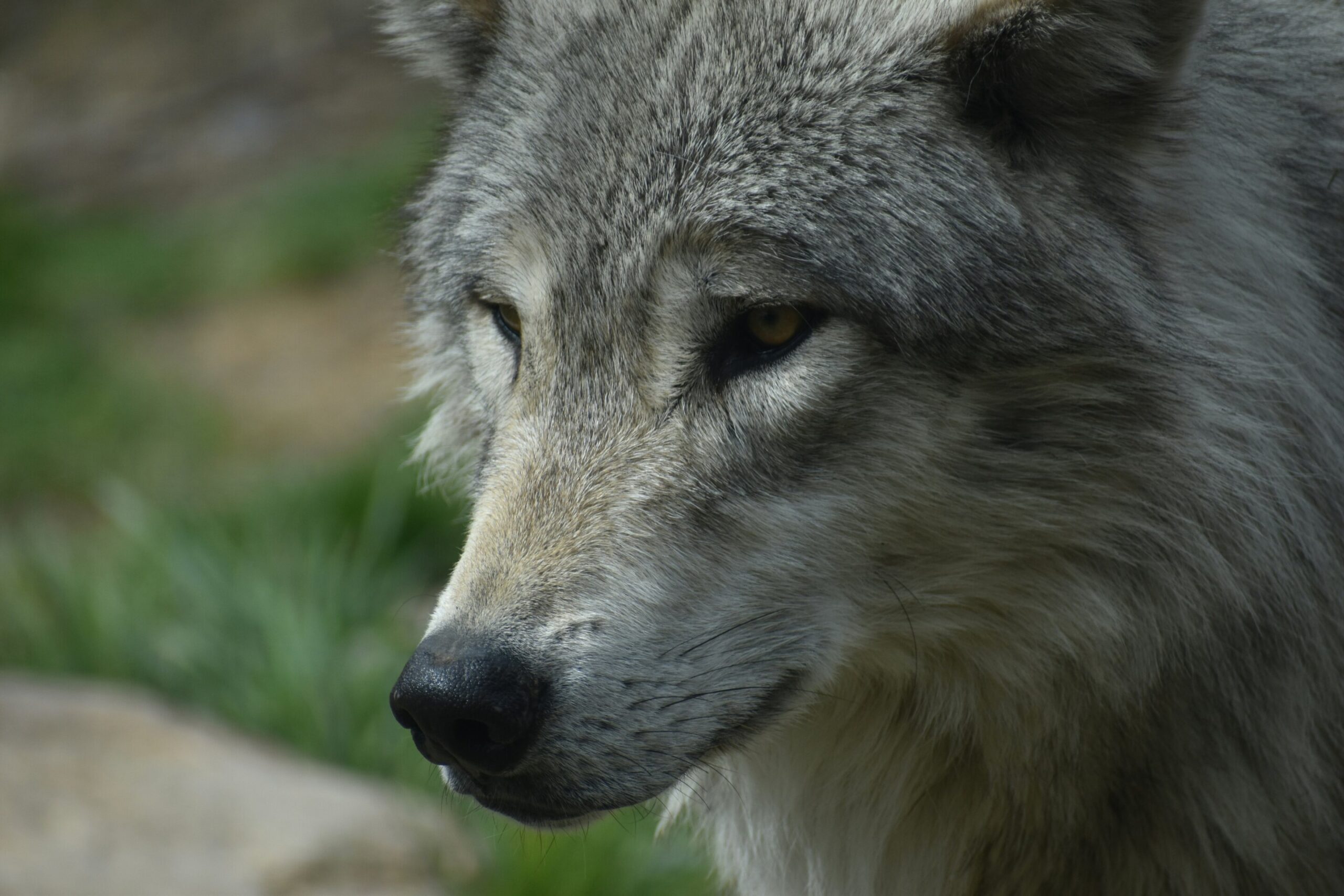
Wolves did not save Yellowstone—why were we so desperate to believe they did?
[Scientists] have found that this linear chain of causes and effects is an oversimplification of ecology. Wolves eat elk, yes, but so do humans, bears and mountain lions. [Additionally,] feeding takes priority in elk behavior: Hungry animals will seek good grazing, predators or no predators.