Current Biology

2025-09-10 @ 18.13.52 ∈ In English
2024-11-20 @ 13.47.24 ∈ In English
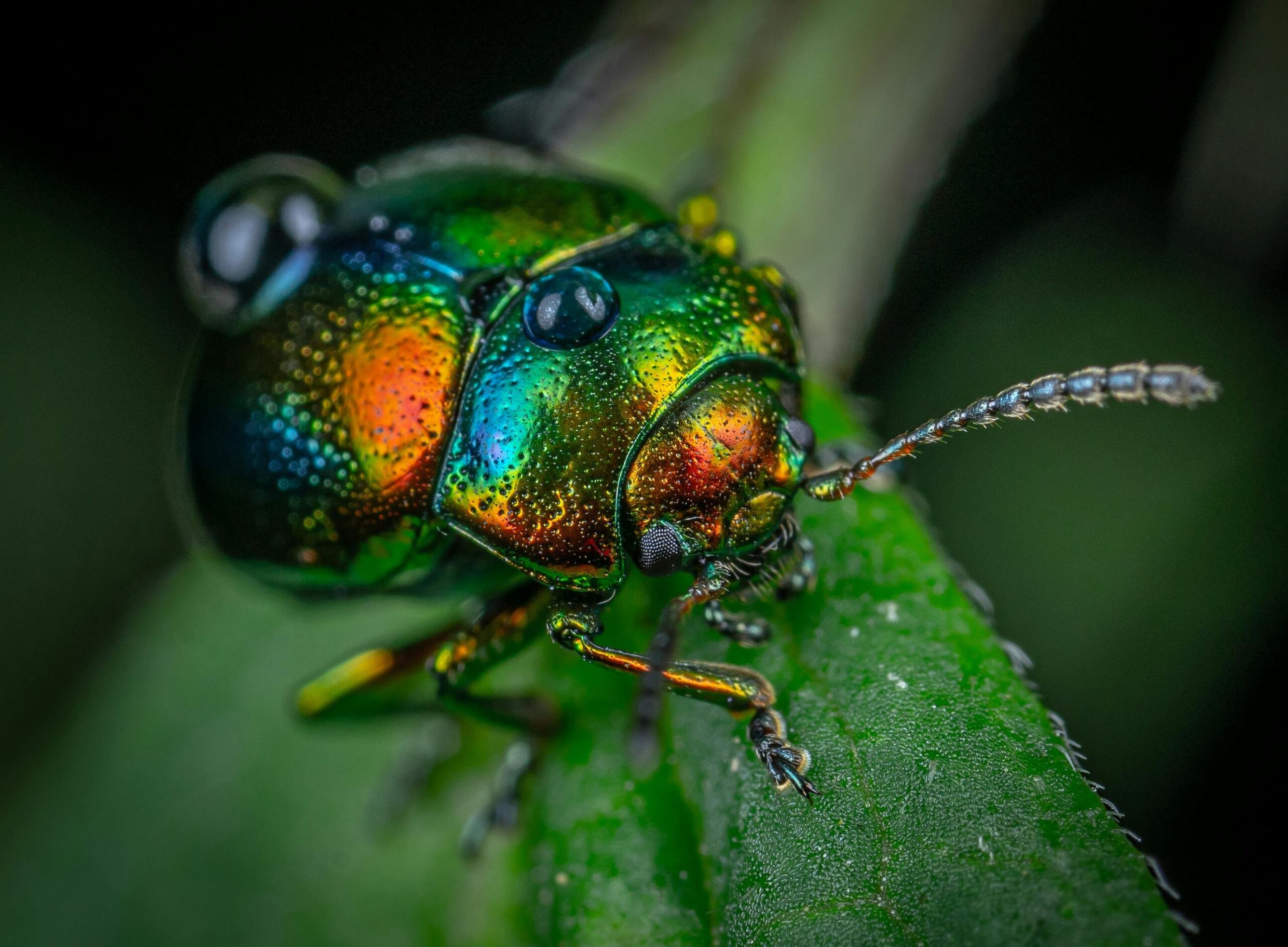
A bit of bling helps insects dazzle their predators, high-speed camera study shows
It turns out that jumping spiders are worse at tracking and attacking shiny targets than matte targets or those that match the background. [Their] attacks were the equivalent of two target widths further away from shiny targets.
2024-09-09 @ 18.33.42 ∈ In English
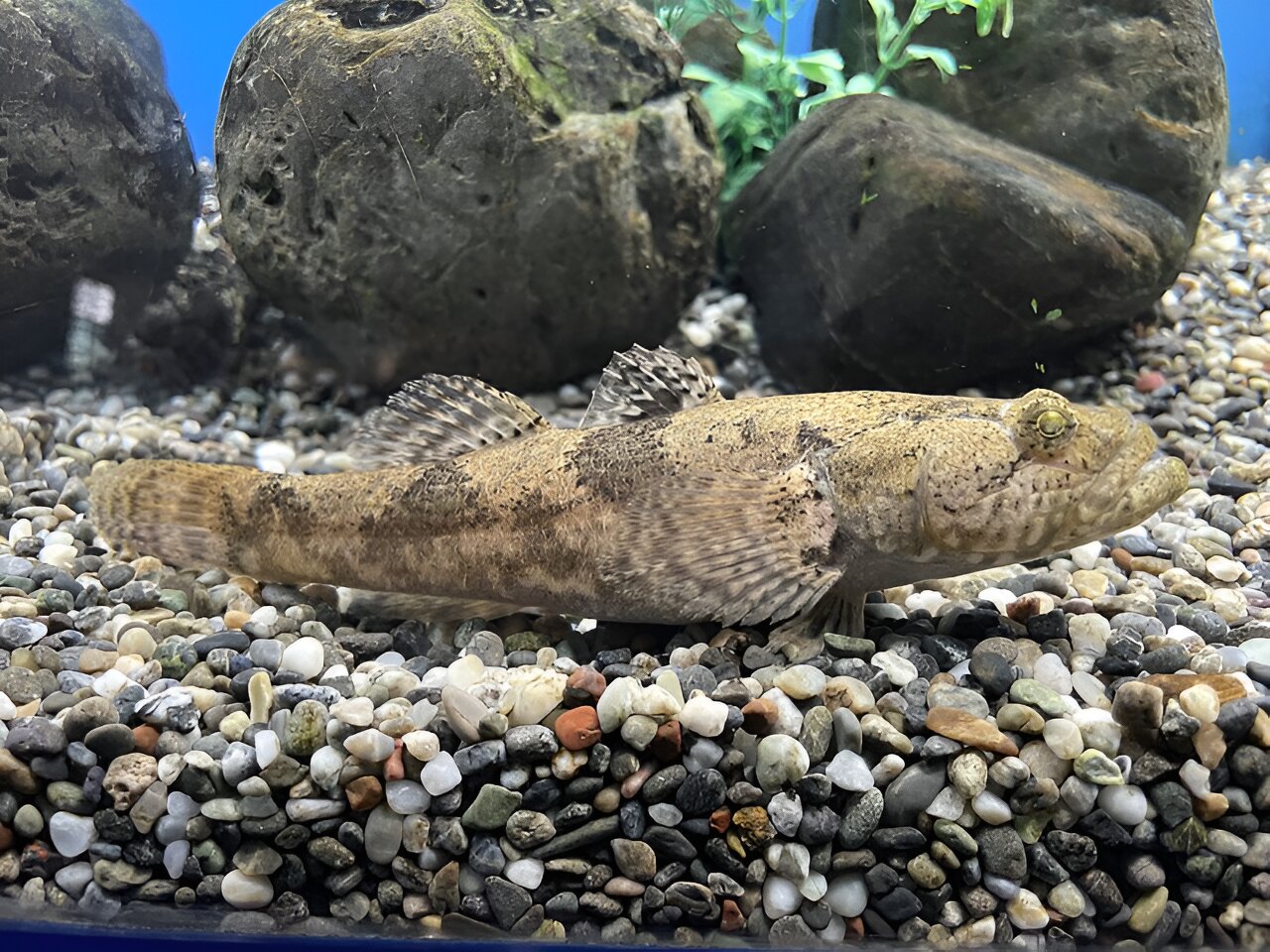
Video evidence: Japanese eels escape from their predator’s stomach
After being swallowed, all but four [of 32 captured eels] tried to escape [back] through the digestive tract toward the esophagus and [gills]. [Nine] successfully escaped through the gills. On average, it took the escaping eels about 56 seconds to free themselves from the predator's gills.
2024-06-10 @ 18.13.35 ∈ In English
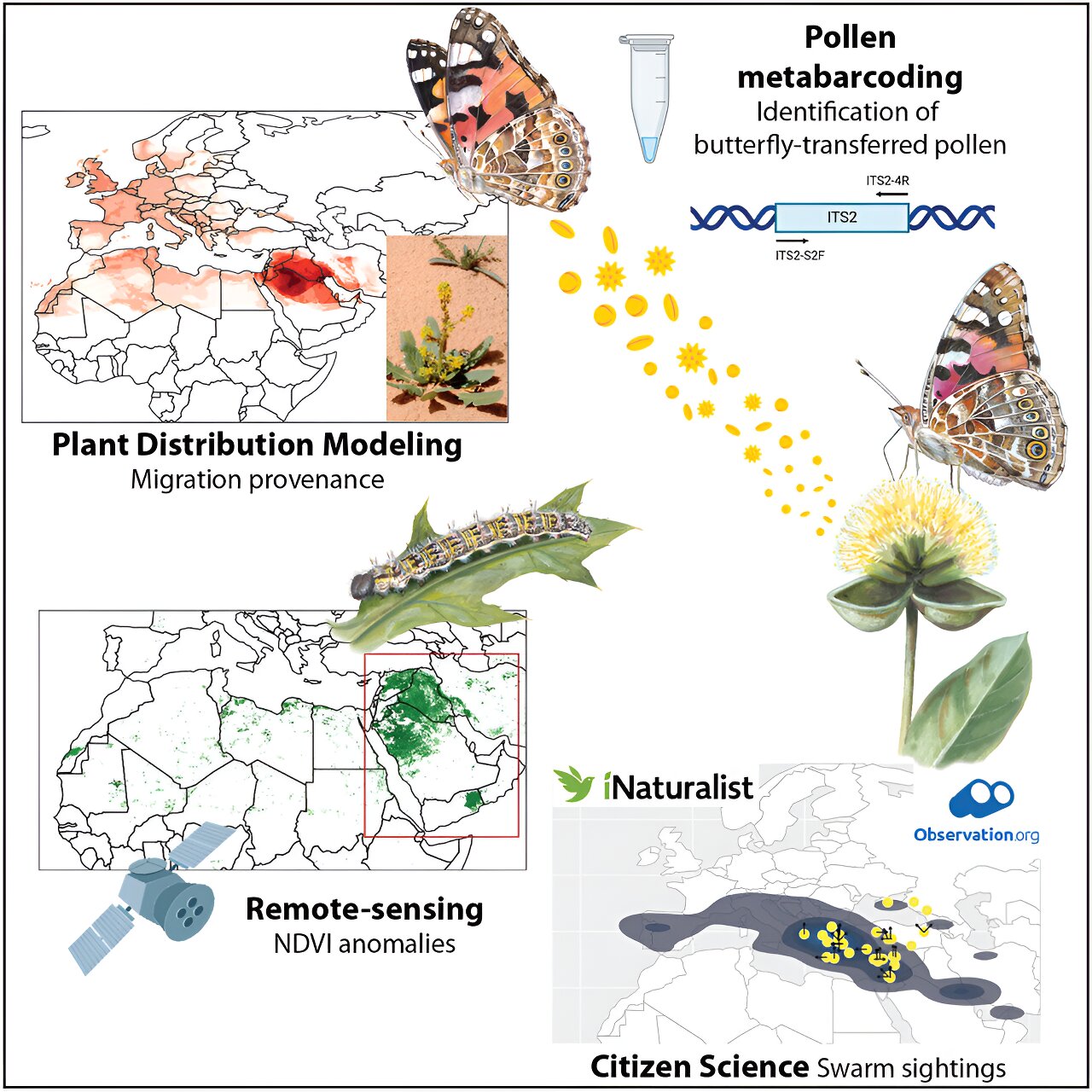
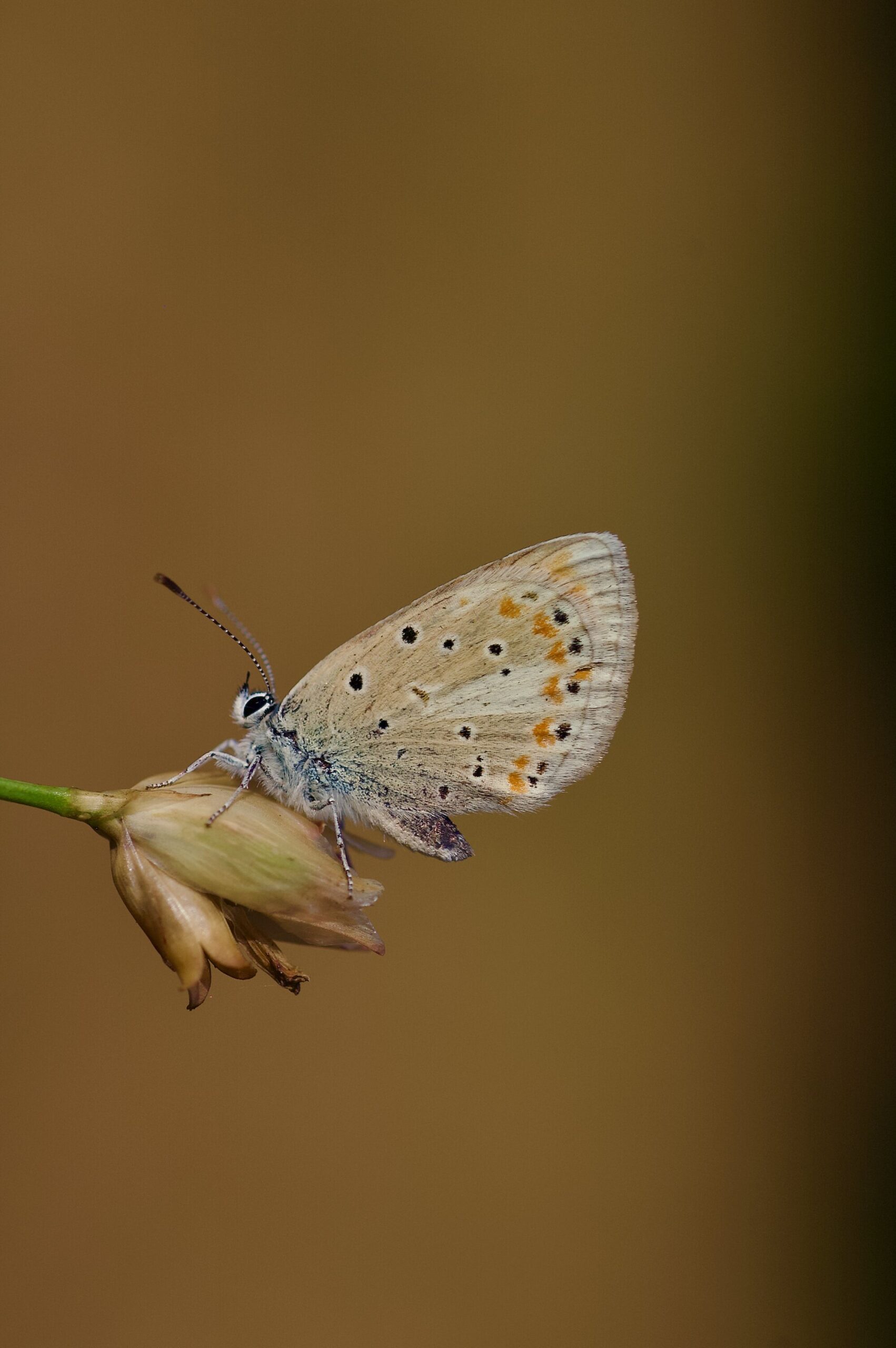
Excessive vegetation in Arabia triggered massive butterfly migrations in 2019 across Europe and Africa: Study
Pollen analysis showed that butterflies collected in Scandinavia had visited flowers of typically Mediterranean or Eastern European plants, while those collected in the Iberian Peninsula showed pollen from Northern Europe.
2024-03-25 @ 17.16.03 ∈ In English
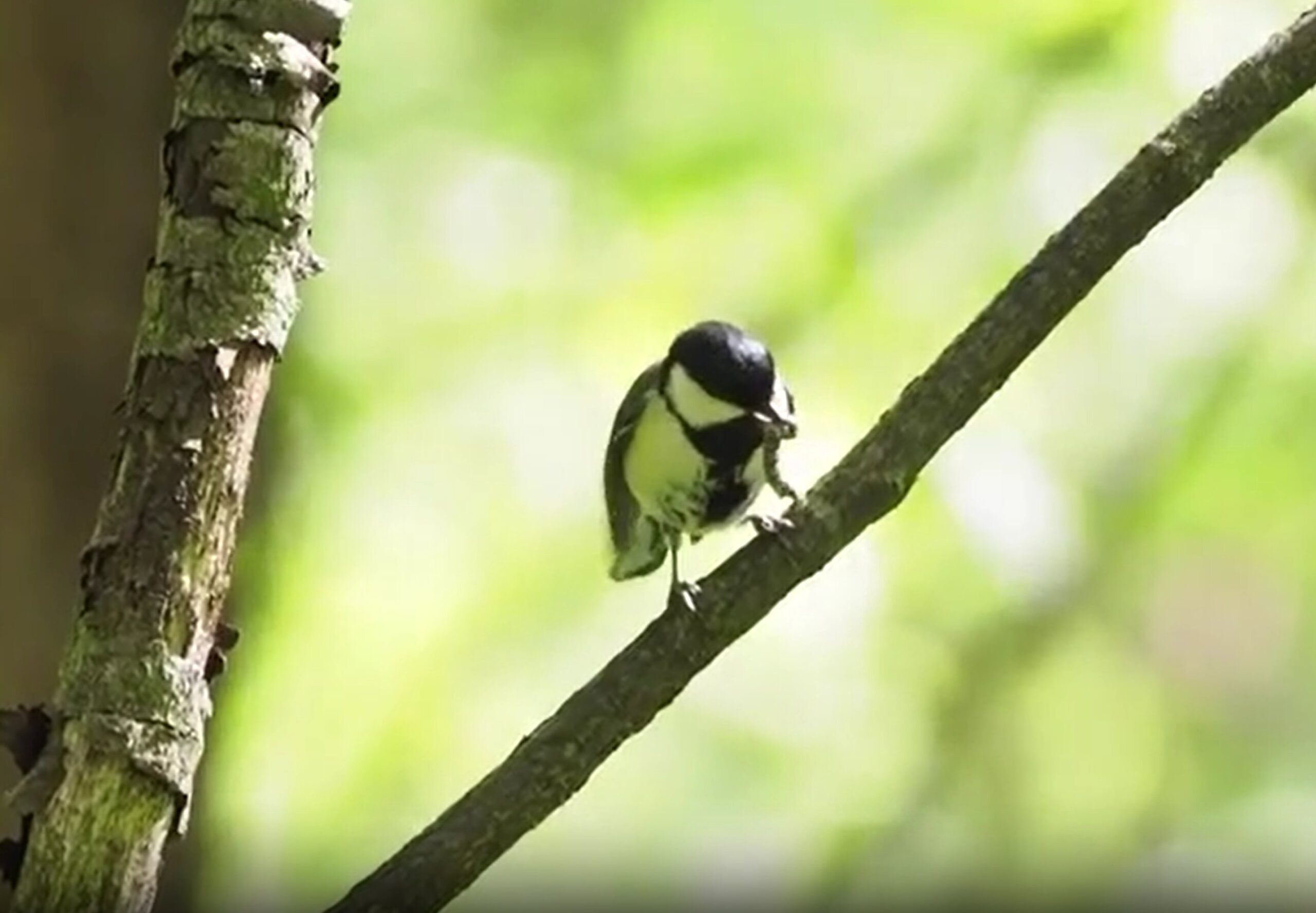
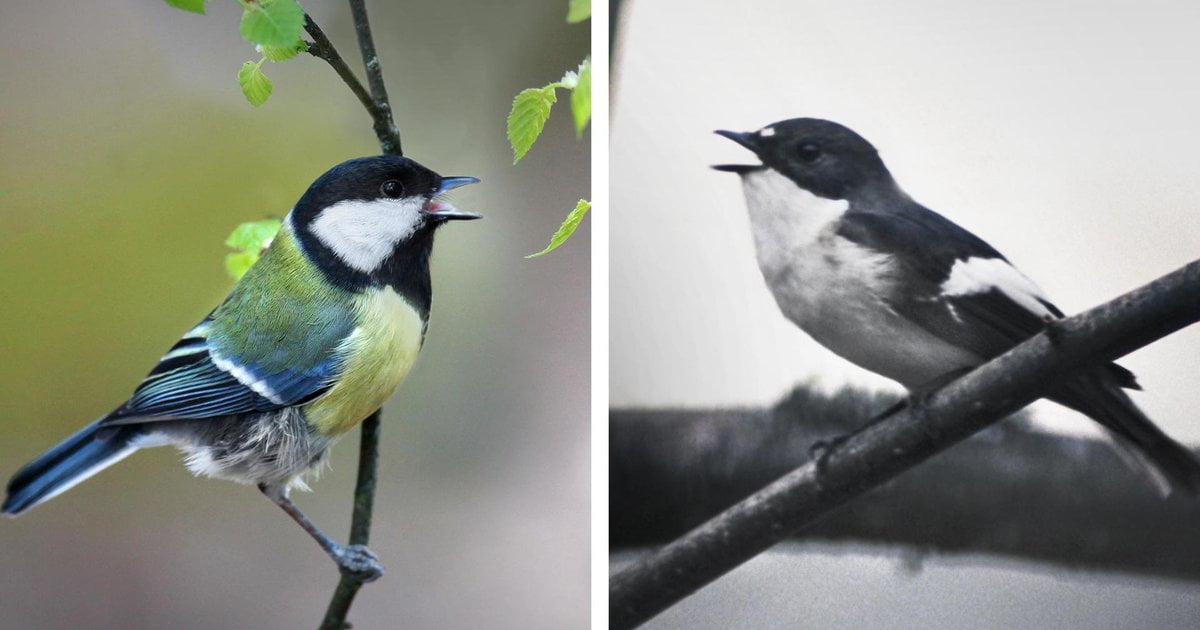
Wild bird gestures ‘after you’: Japanese tit uses wing movements for gestural communication
By analyzing over 320 nest visitations in detail, the researchers saw that the wing-fluttering display prompted the mate who was being fluttered at to enter the nest box first, while the one who fluttered entered second, determining the order of nest entry and mirroring the "after you" gesture observed in human communication.
2023-12-04 @ 18.13.40 ∈ In English
2023-09-11 @ 20.13.08 ∈ In English
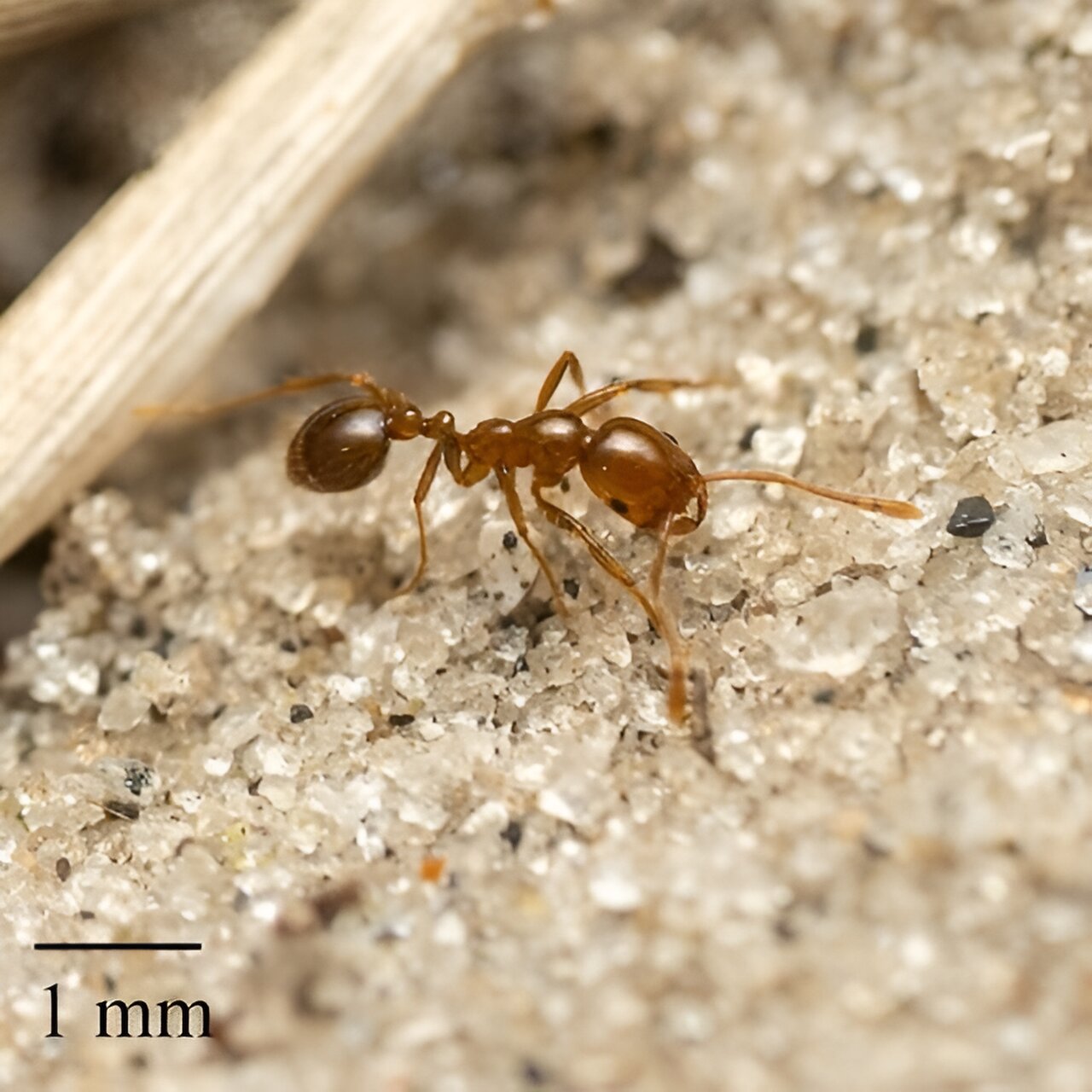
Invasive red fire ants confirmed in Europe for the first time
[A] group of ant experts confirm that the species has made its way to Sicily—the ant's first official sighting in Europe. The ants could soon spread all over the continent, the researchers warn, which could cause major environmental, health, and economic problems in Italy and beyond.
2019-04-04 @ 20.22.57 ∈ Suomeksi

Tutkijat löysivät 42,6 miljoonaa vuotta sitten eläneen neliraajaisen valaan, joka pystyi kävelemään myös maalla - Tekniikan Maailma
Tutkijat ovat löytäneet 42,6 miljoonaa vuotta vanhan valaan jäänteet Perun rannikolta Etelä-Amerikasta. Sen sormissa ja varpaissa olevien pienten sorkkien sekä eläimen lonkan ja raajojen muodoista tutkijat ovat päätelleet, että eläin on pystynyt liikkumaan veden lisäksi myös maalla. Eläin oli jopa n…