genetics
2025-09-05 @ 19.22.03 ∈ In English

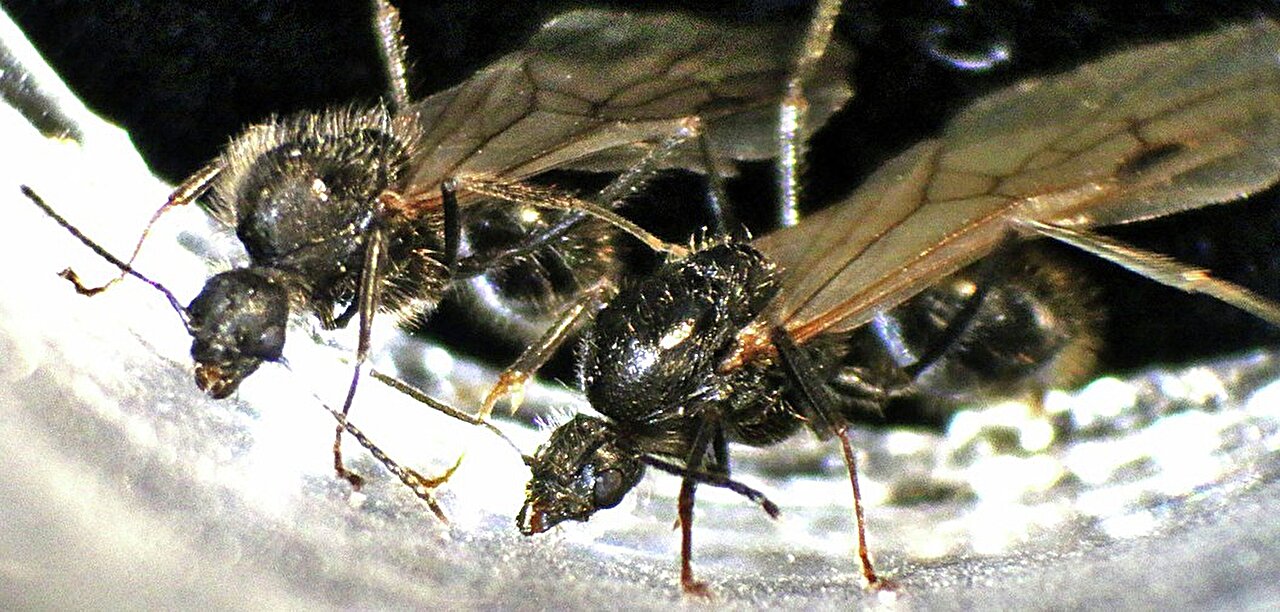
Iberian harvester ant queens are cloning different species to produce hybrid workers
This new frontier in reproduction is referred to by the authors as "xenoparous," meaning the ant queens have a need to produce individuals of another species as an inherent part of their life cycle. The exact developmental mechanism of cross-species male cloning is still unknown, but the authors have some theories.
2025-07-19 @ 9.58.27 ∈ In English
2025-02-04 @ 16.54.19 ∈ In English

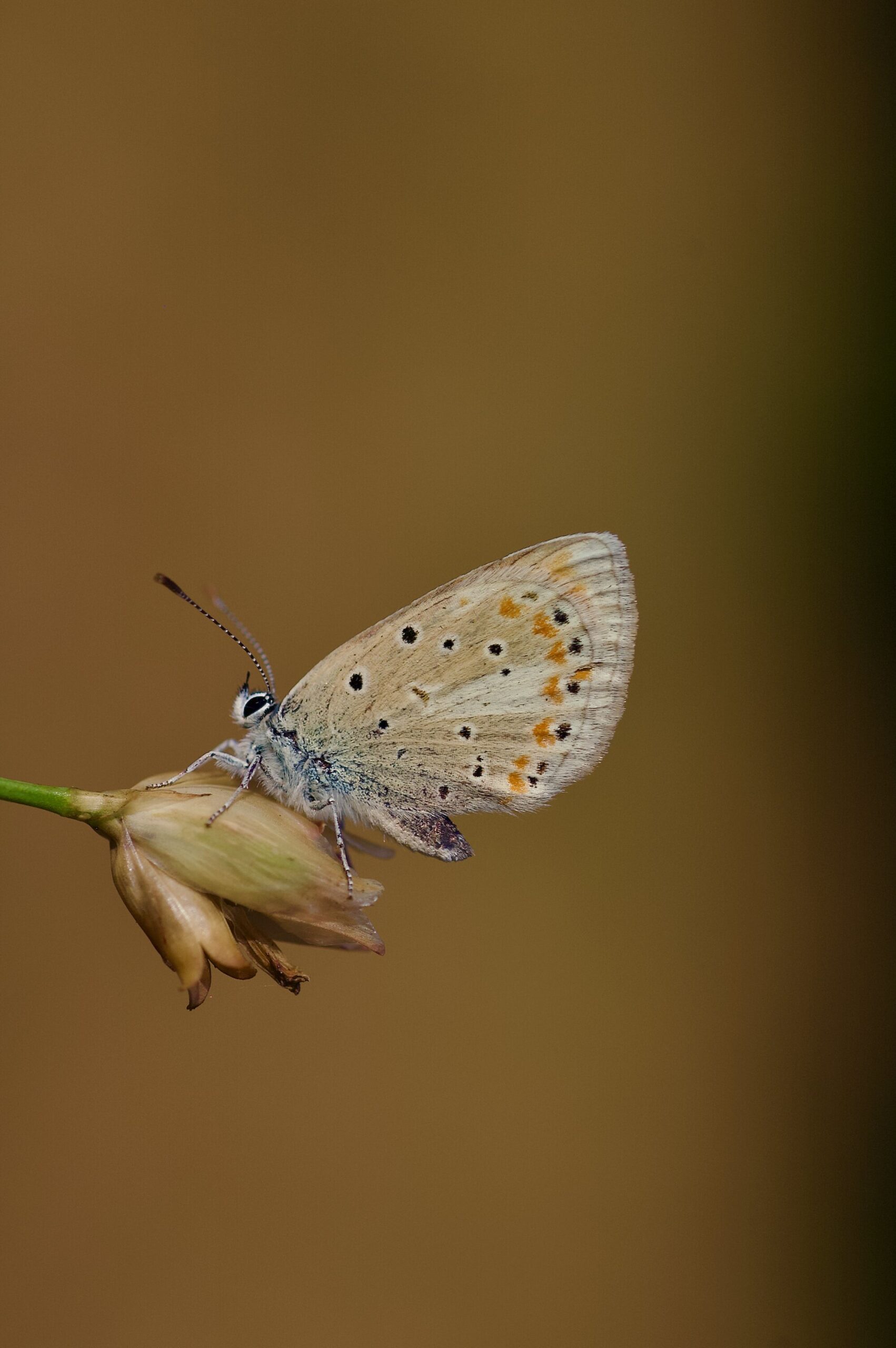
Decoding a butterfly’s travel map: Scientists find globetrotting not in genes
[The] different migration strategies are shaped by environmental conditions rather than being encoded in the butterfly's DNA. […] Additionally, migration patterns in painted ladies could not be associated with factors such as sex, wing size, or wing shape.
2024-11-28 @ 12.37.40 ∈ In English

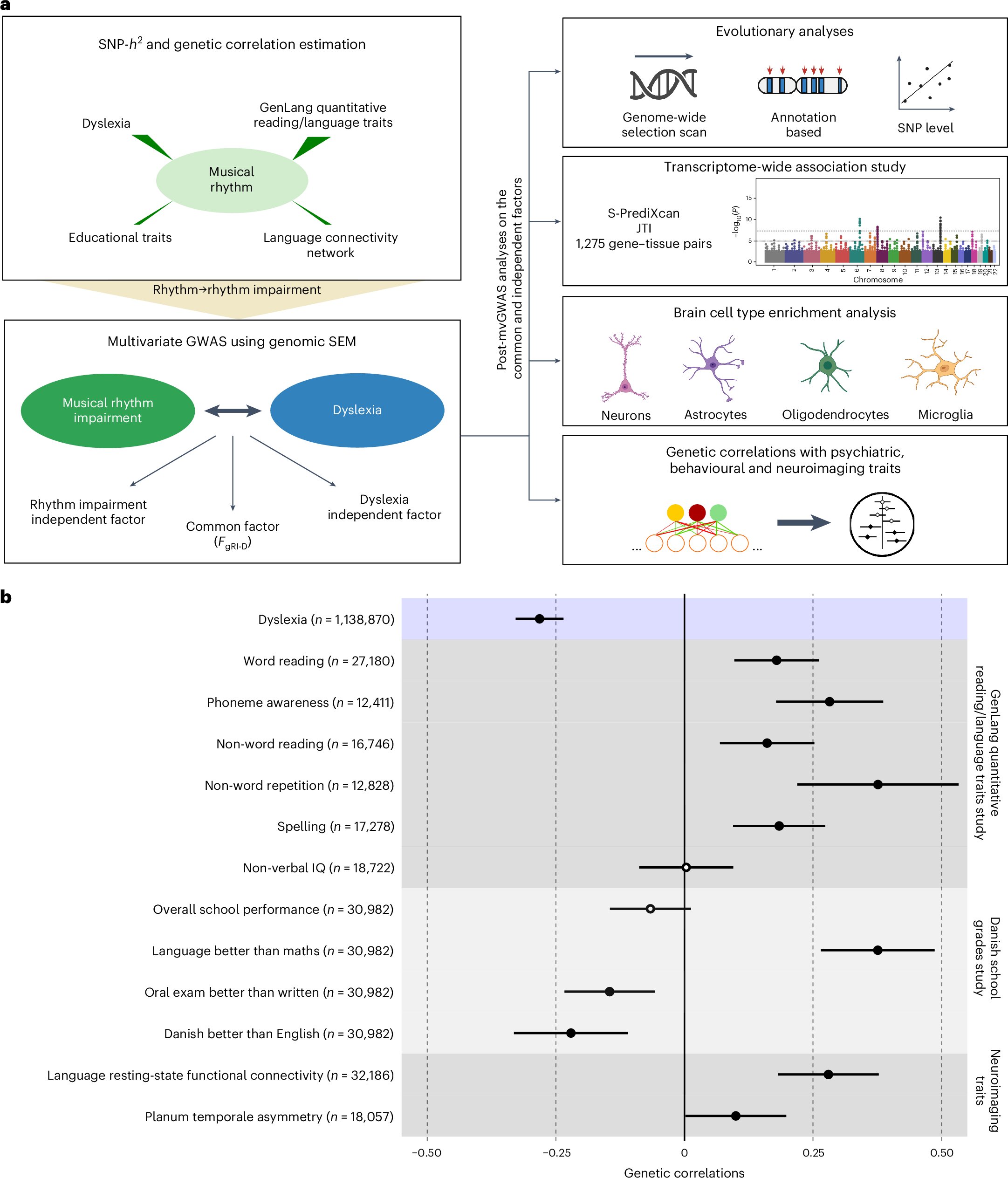
Scientists discover shared genetic foundations between musical rhythm and human language
[Genetic] variants associated with higher likelihood of rhythm impairments tended to also be associated with a higher likelihood of dyslexia. The reverse was also the case: [variants] associated with more accurate musical rhythm skills co-occurred with genes linked to higher performance on language and reading tests[.]
2024-09-25 @ 12.27.59 ∈ In English
2024-08-15 @ 16.58.59 ∈ In English

Scientists find humans age dramatically in two bursts – at 44, then 60
The first wave of changes included molecules linked to cardiovascular disease and the ability to metabolise caffeine, alcohol and lipids. The second wave of changes included molecules involved in immune regulation, carbohydrate metabolism and kidney function. Molecules linked to skin and muscle ageing changed at both time points.
2024-07-19 @ 8.18.36 ∈ In English

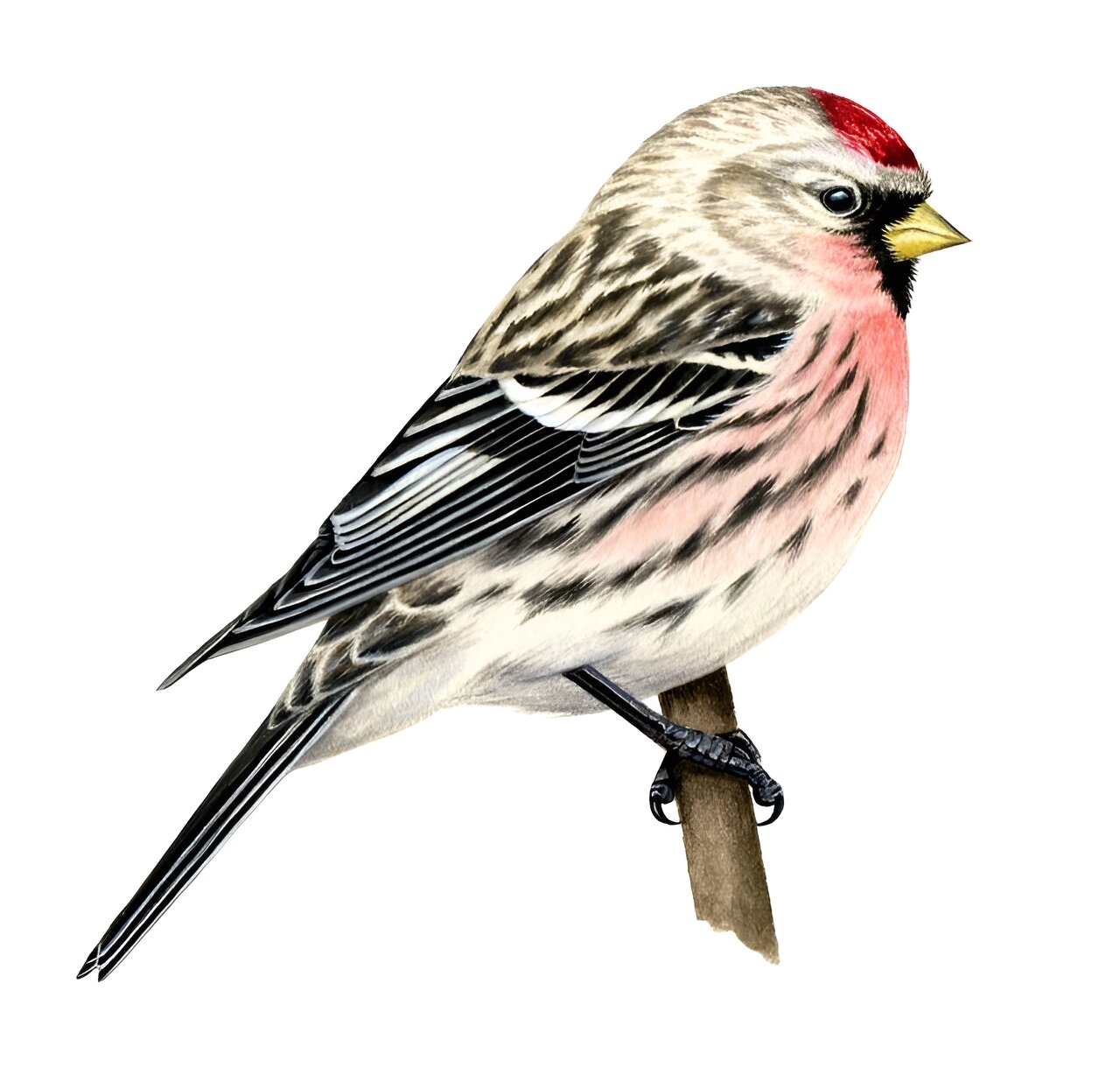
The redpoll finch saga: How two bird species just became one
[The] hoary redpoll finch, a small, plump bird commonly found in the Arctic, will be reclassified as the same species as the common redpoll finch, a smaller bird found in similar habitats. This announcement came as a direct result of a CU Boulder-led study which found that, despite their different looks, very few genetic differences exist between the two types of birds.
2024-04-23 @ 17.20.52 ∈ In English
2024-02-21 @ 18.56.02 ∈ In English

Analysis shows butterfly and moth genomes are mostly unchanged despite 250 million years of evolution
The team found not only were chromosomes incredibly stable, but the order of genes within them was too. […] However, researchers uncovered a rare subset of species such as the blue butterflies—Lysandra—and the group containing cabbage white butterflies—Pieris—that underwent extensive chromosome reshuffling[.]