psychology
2025-03-21 @ 19.50.54 ∈ In English

Antarctic bases are hotbeds of stress and violence; space stations could face the same challenges
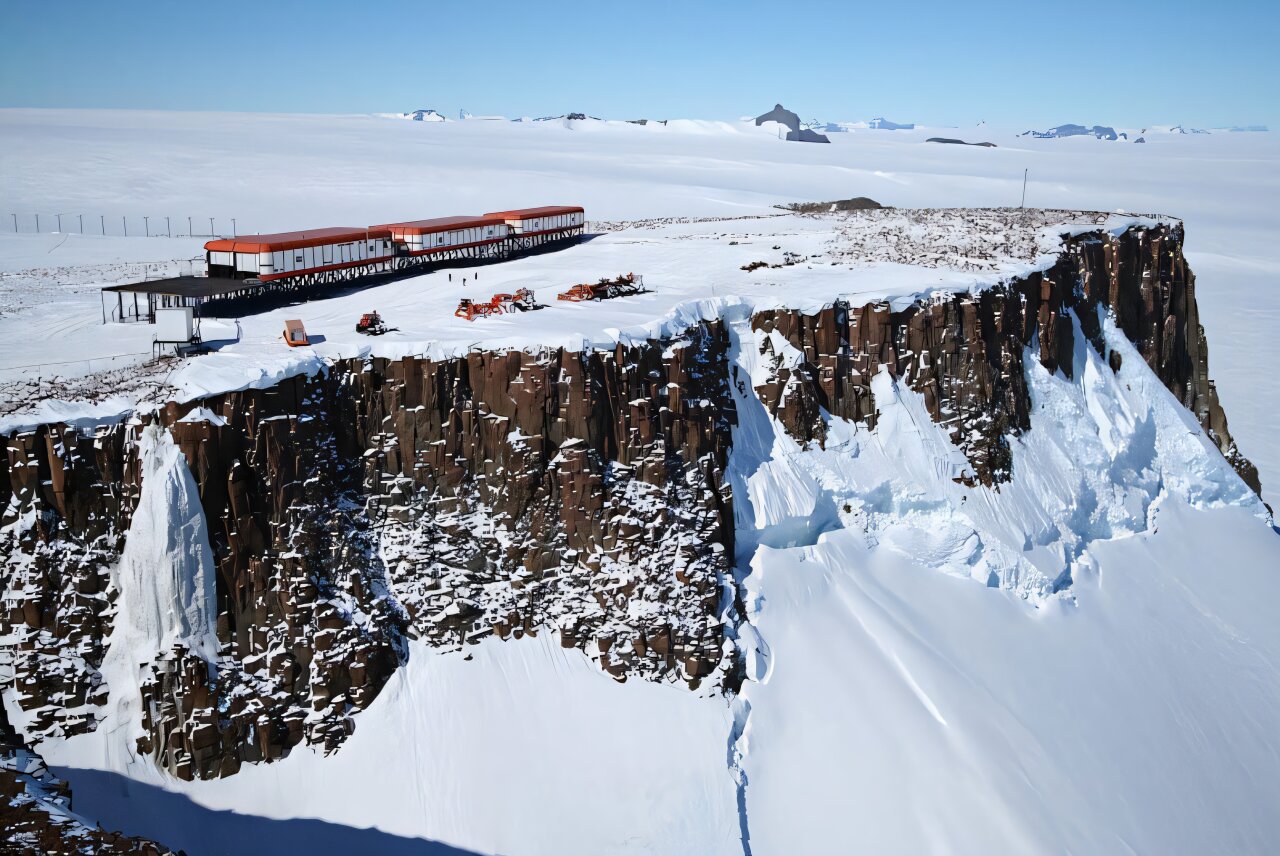
Research suggests several psychological and social factors contribute to conflict in remote locations such as Antarctica. These include prolonged isolation, extreme environmental conditions, and the necessity of constant close contact.
2025-02-27 @ 17.09.34 ∈ In English

The loneliness paradox: How media narratives shape our solitude
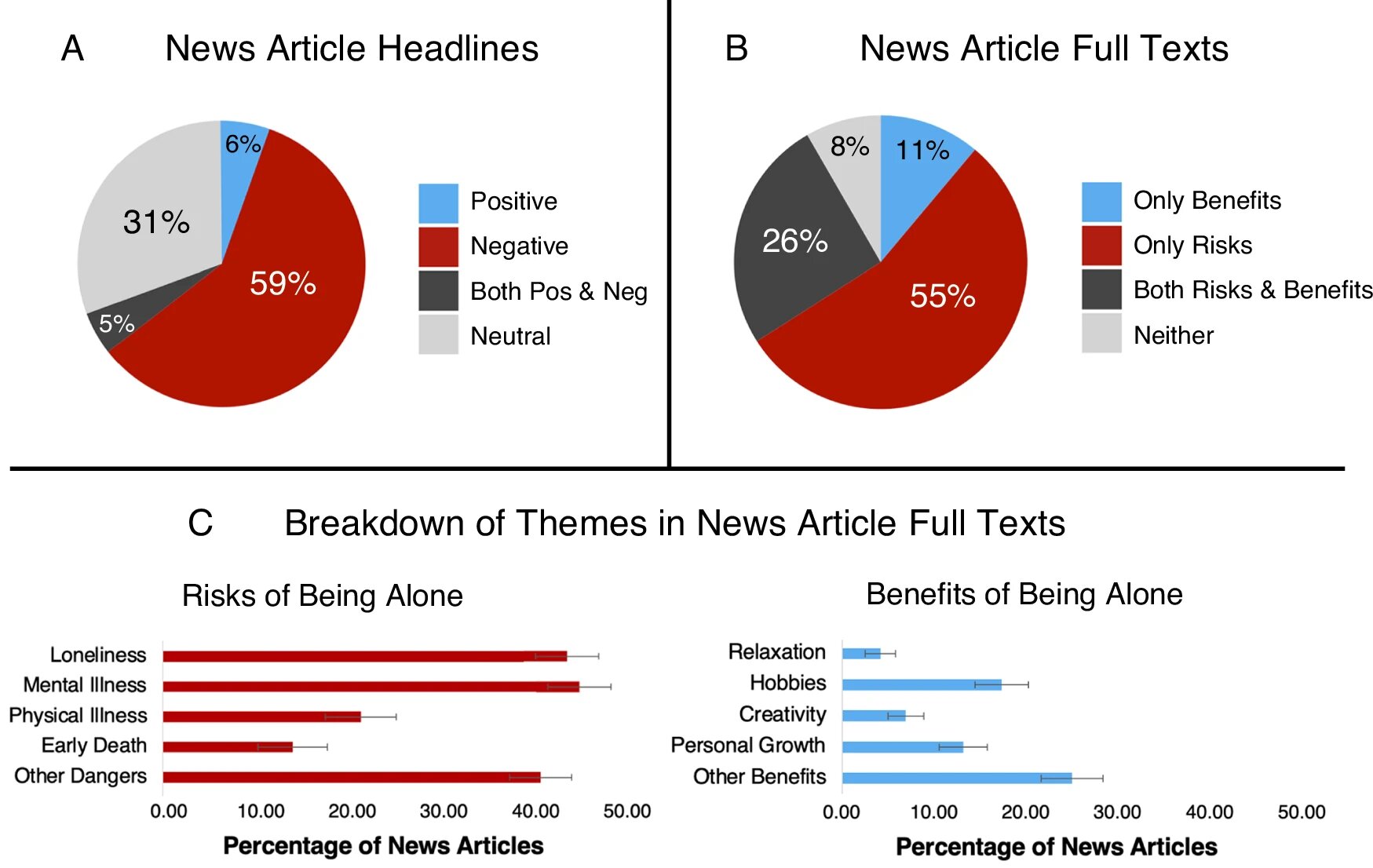
[People] who believe being alone is harmful tend to feel lonelier after spending time alone in daily life. However, those with a more positive view of solitude don't just feel less lonely in the same situations, they actually feel more positive.
2025-02-26 @ 18.40.27 ∈ In English

Why do we fall for wellness scams? Our cultural biases and myths are often to blame
[Our shared mythologies and symbols] seem to make our lives more "efficient" by surpassing tedious fact-checking. Over time, these cultural codes become embedded into our psychologies, operating as background biases that shape our decision-making.
2025-02-20 @ 14.08.13 ∈ In English

Neuroscientists Discovered the Key to Dream Memory – And It Might Surprise You
[People] with a positive attitude toward dreams and a tendency for mind-wandering were significantly more likely to recall their dreams. […] Younger participants showed higher rates of dream recall[.] [Some reported] lower dream recall during winter compared to spring[.]
2024-11-01 @ 8.51.16 ∈ In English

Research confirms stereotypes about job-related traits
Stereotypes about which personality traits are associated with different jobs are largely true, an extensive study by psychologists suggests. The findings help to explain why some people thrive in creative professions, others aspire to leadership roles, and still others work in care and counseling.
2024-10-30 @ 11.20.25 ∈ In English
2024-10-10 @ 12.27.30 ∈ In English

Carefully exposing children to more misinformation can make them better fact-checkers, study suggests
Researchers found that the children who were the most diligent about fact-checking […] claims were also the ones who saw more false claims […] earlier in the study. Meanwhile, those who had more reliable environments with fewer false claims earlier in the study did almost no fact-checking.