In English
2025-10-13 @ 16.11.50 ∈ In English
2025-10-10 @ 11.45.37 ∈ In English
2025-10-08 @ 13.13.28 ∈ In English
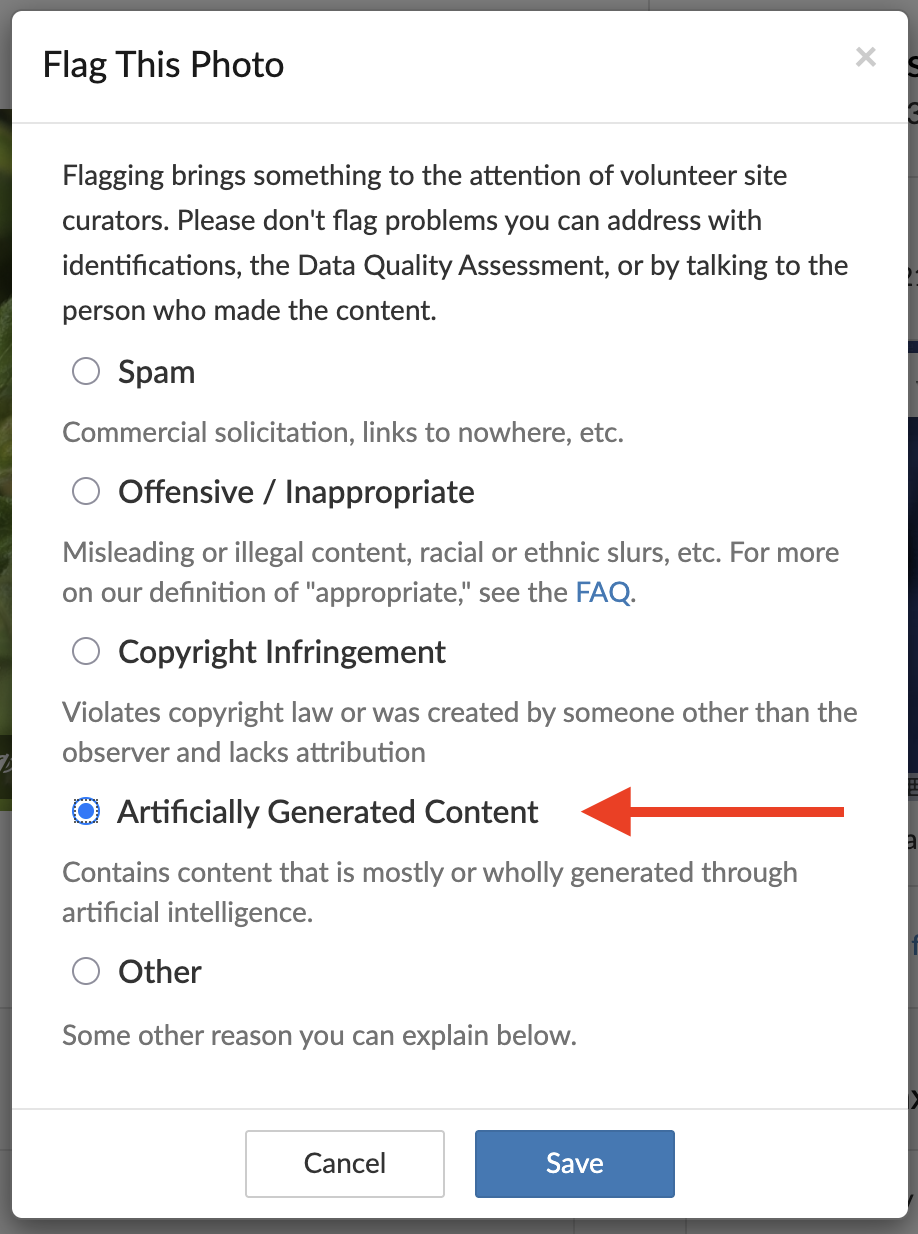
New tools to flag and assess evidence on iNaturalist
Because images and sounds are evidence that may be used for research or conservation, they should accurately reflect the organism and the scene. […] For example, below is an original photo I took, and an edited version of it where I used Adobe Lightroom’s Generative Fill to remove the leaf blocking the bird’s tail. The altered photo would not be acceptable as evidence on iNaturalist.
2025-10-07 @ 13.23.36 ∈ In English
2025-10-06 @ 13.21.43 ∈ In English
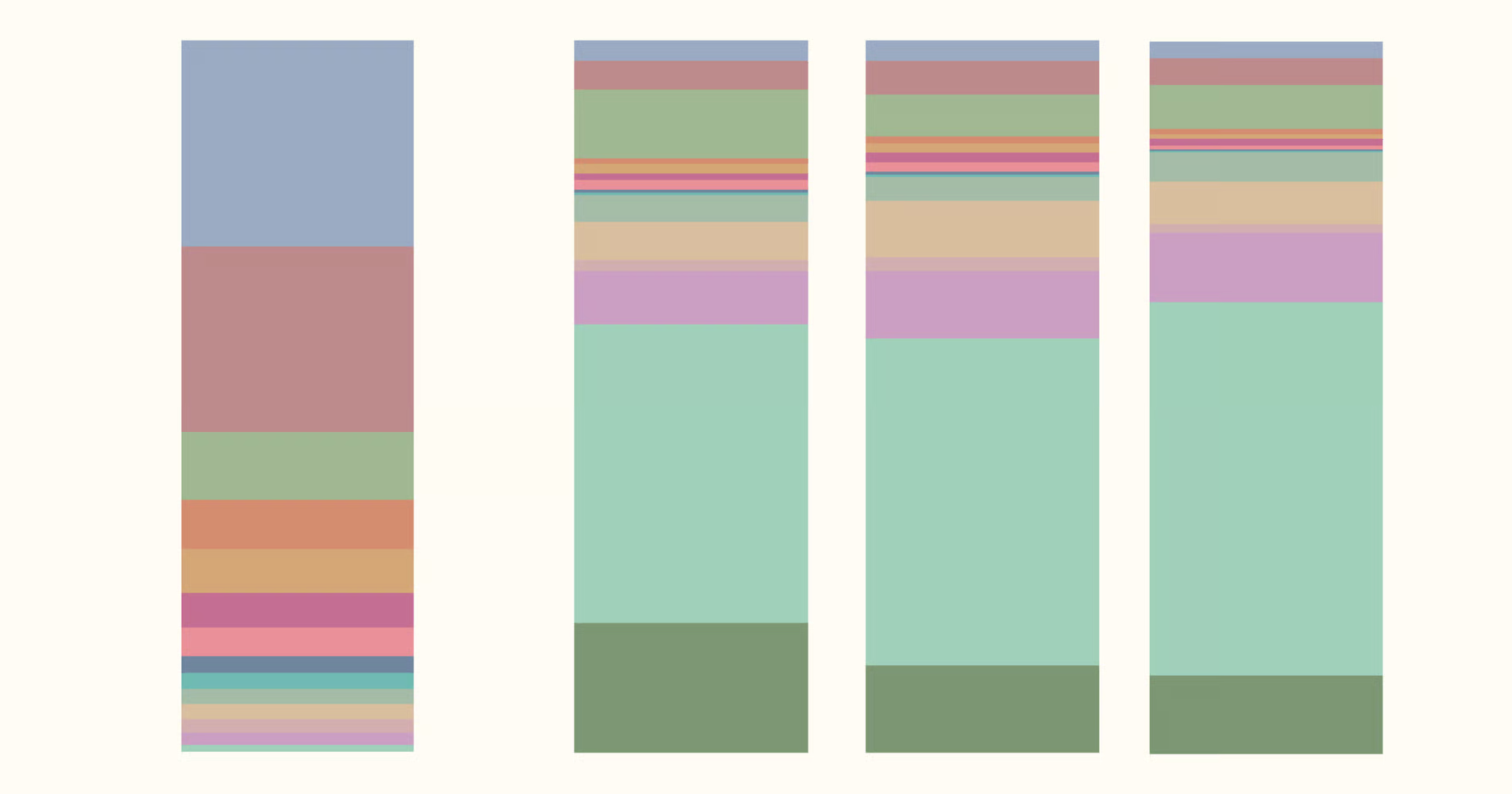
Does the news reflect what we die from?
The reason we’re doing this analysis is to make you or other readers more aware of this selection bias. The frequency of news coverage doesn’t reflect what’s happening across millions or billions of people, but it’s easy to fall into the trap of thinking it does.
2025-10-03 @ 19.13.11 ∈ In English
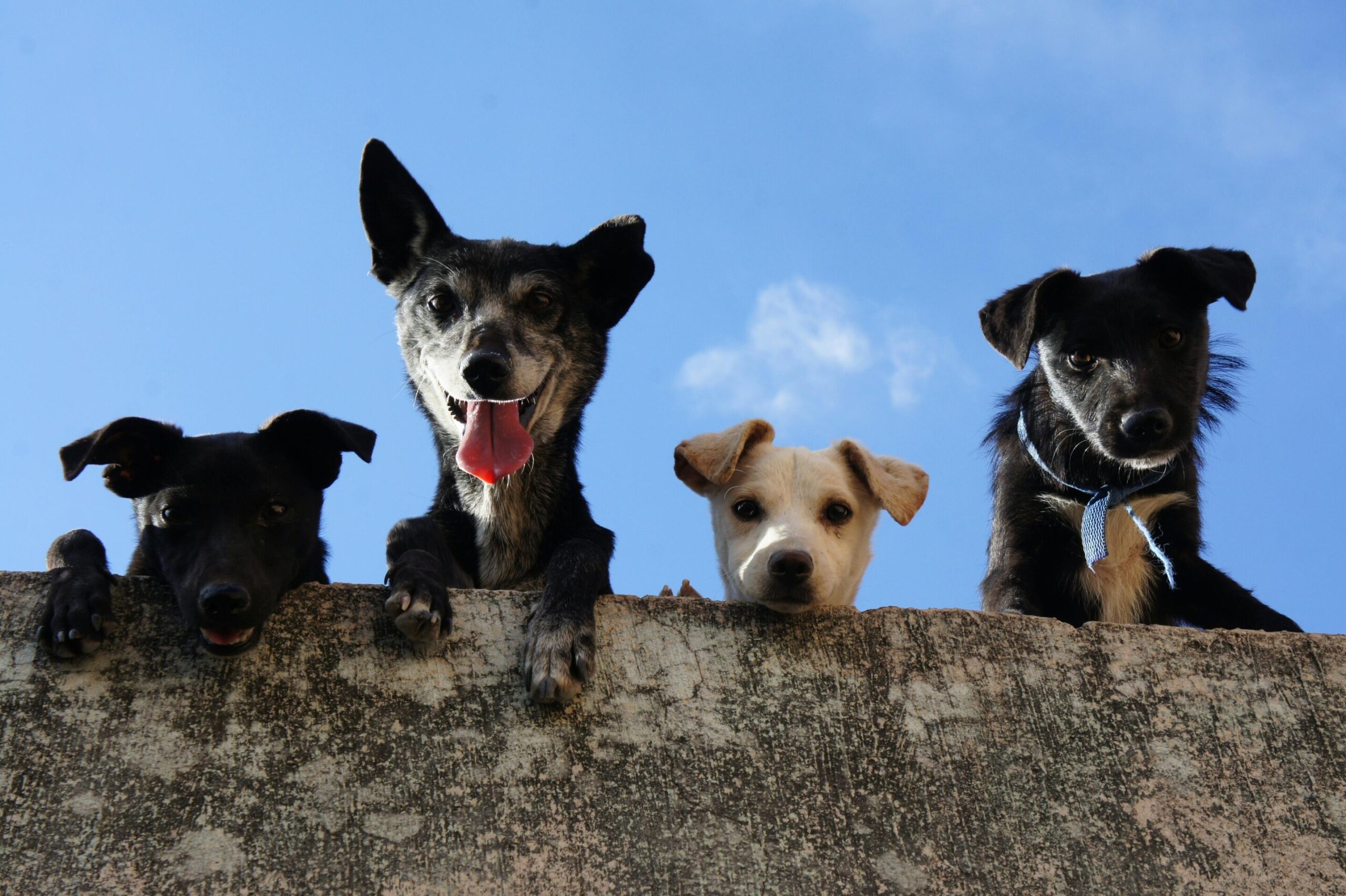
Trauma in a puppy’s first six months linked to adult aggression, says new study
[Some] breeds, such as Siberian Huskies [and] pit-bull type dogs, were more likely to become aggressive or fearful after experiencing early trauma. Meanwhile, other breeds, such as the Labrador Retriever, were a lot more resilient.
2025-10-02 @ 18.04.09 ∈ In English
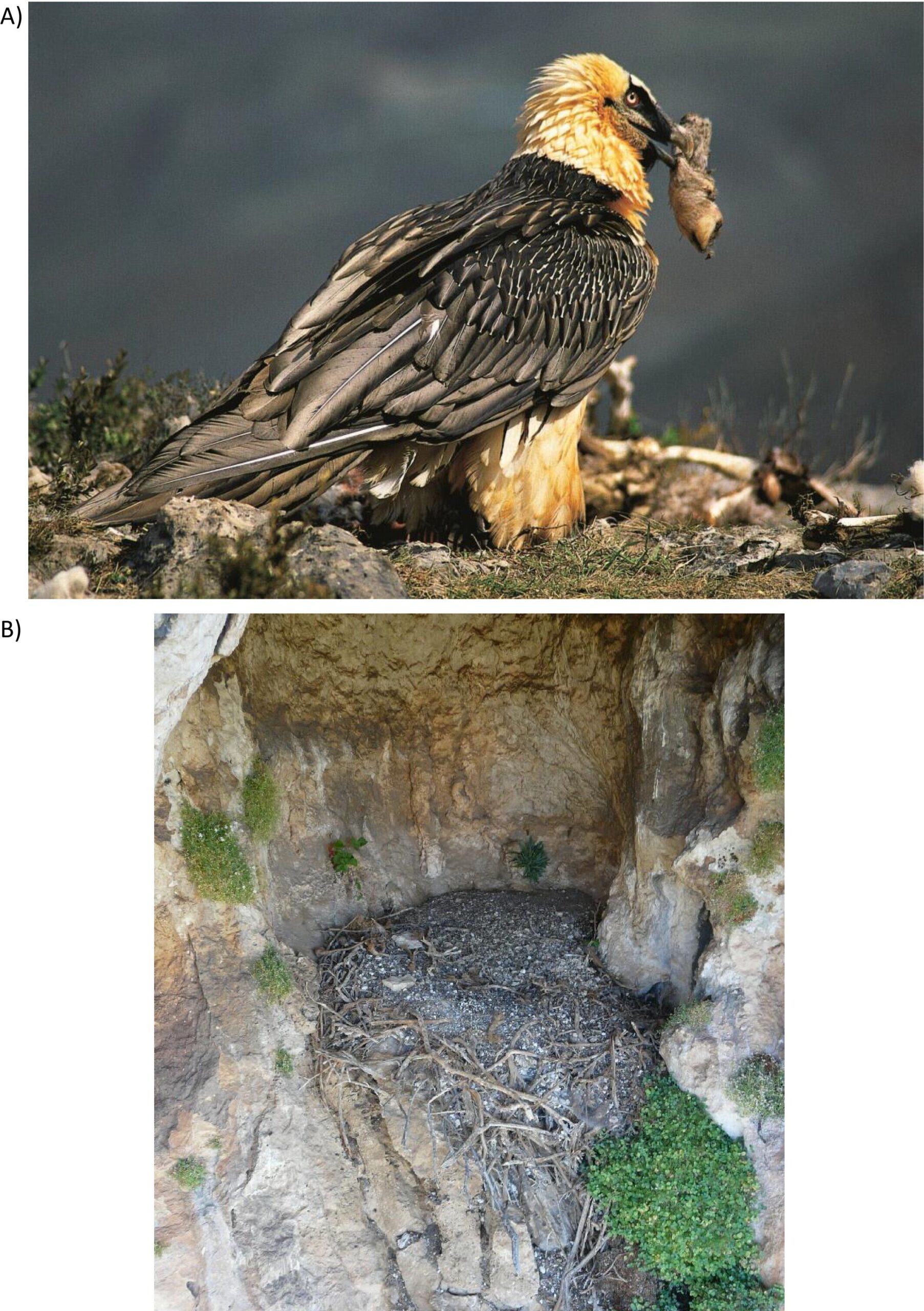
Bearded Vulture nests found to have hoards of cultural artifacts—some up to 650 years old
What's unique about some larger bird [species] is that the same nest is used for centuries if it continues to be in a safe space. Generations of birds will continue to occupy and add materials to these nests for hundreds of years.
2025-10-02 @ 11.11.22 ∈ In English
(More products were listed by ABC back in June, though in a cumbersome slideshow.)
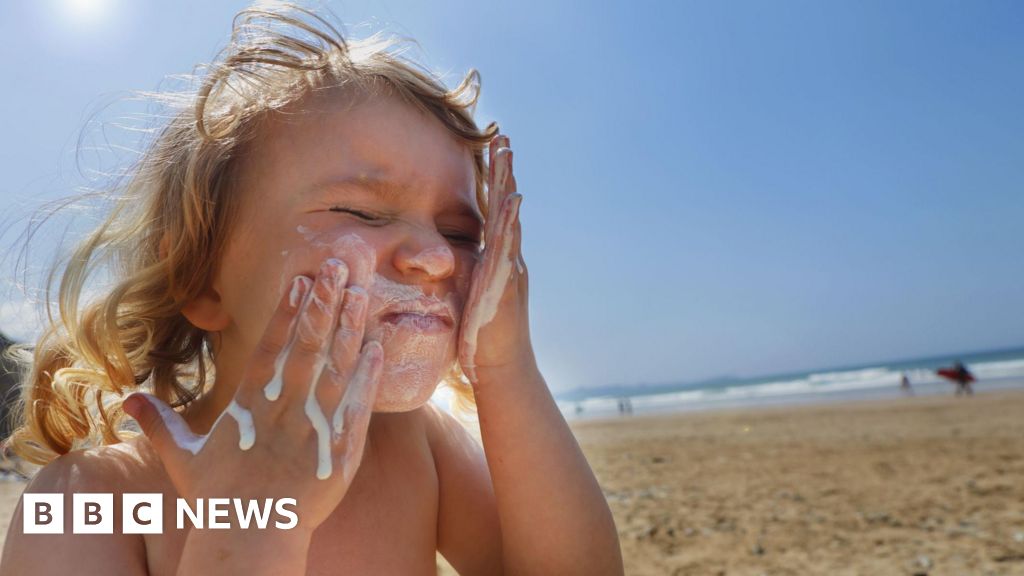
Australia sunscreen scandal grows as more products pulled off shelves
Analysis by a consumer advocacy group in June found several popular and expensive sunscreens did not provide the protection claimed by their makers. One product, Ultra Violette's Lean Screen Skinscreen, is supposed to offer a skin protection factor (SPF) of 50+ but instead returned a result of SPF 4[.]
2025-10-01 @ 12.46.55 ∈ In English
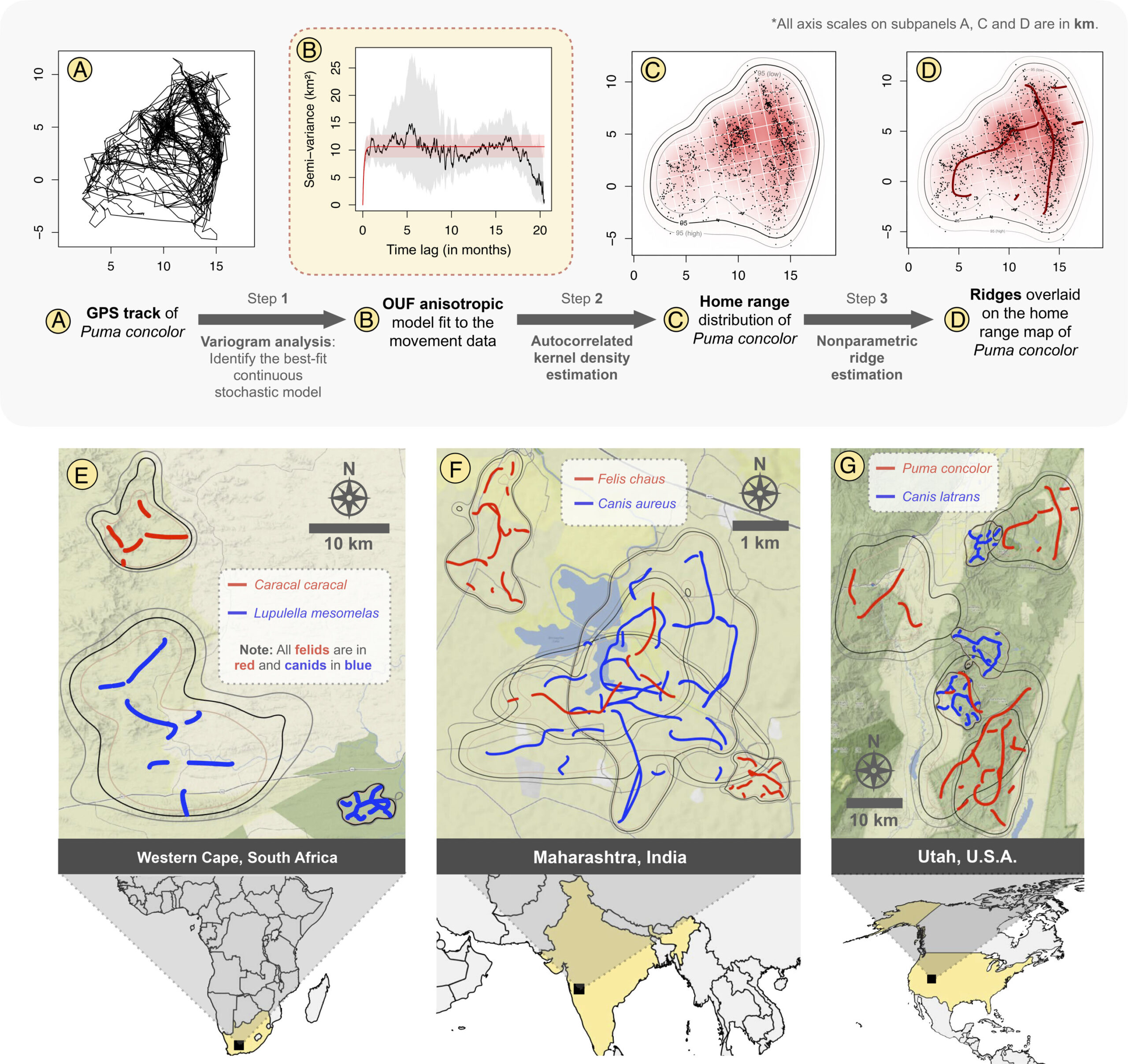
Study reveals wild canids favor structured travel routes, unlike their feline counterparts
The next time you watch your dog visit the same places around your yard or notice that your cat seems to explore a new area every time it ventures outside, consider this: You might be witnessing an ancient evolutionary strategy in action.