(From August)
In English
2023-10-07 @ 11.20.39 ∈ In English

Why NASA Chose WordPress for Revamping Its Flagship Website
NASA has removed the beta label from the new nasa.gov website, which was launched on WordPress, replacing Drupal as the CMS. […] NASA will be open sourcing some of its custom blocks and other pieces of the project to give back to the WordPress community as part of the roadmap.
2023-10-05 @ 18.58.33 ∈ In English
2023-10-05 @ 15.06.49 ∈ In English

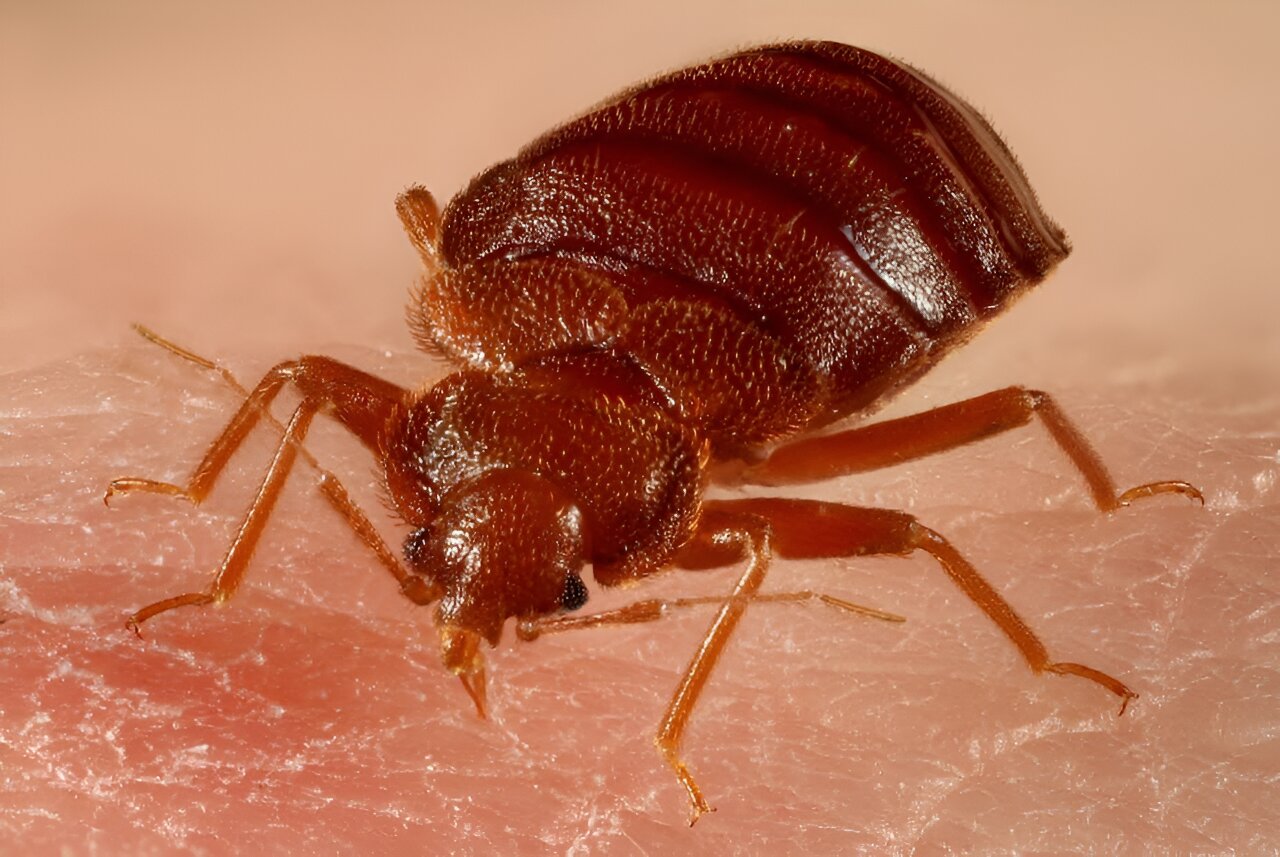
Bumble bees drop to shake off Asian hornets
Bumble bees have a remarkably successful method for fighting off Asian hornets, new research shows. When attacked, buff-tailed bumble bees drop to the ground—taking the hornets down with them. This either causes the hornet to lose its grip, or the bee raises its sting and tussles until the hornet gives up.
2023-10-05 @ 15.01.04 ∈ In English

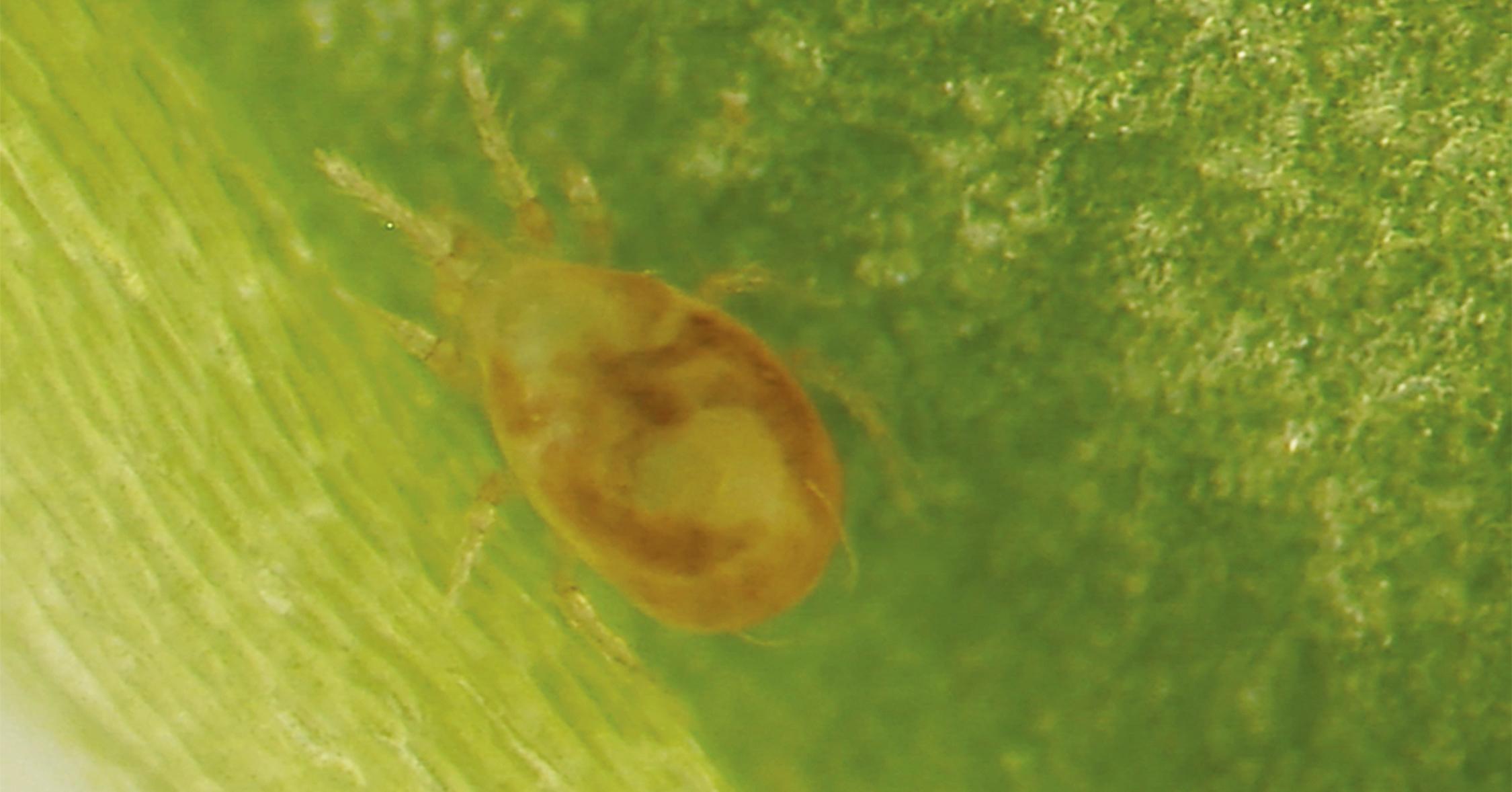
Meadow spittlebug’s record-breaking diet also makes it a top disease carrier for plants
New research fueled in part by citizen scientists reveals that the meadow spittlebug—known for the foamy, spit-like urine released by its nymphs—can feed on at least 1,300 species of host plants, more than twice the number of any other insect.
2023-10-03 @ 18.33.30 ∈ In English

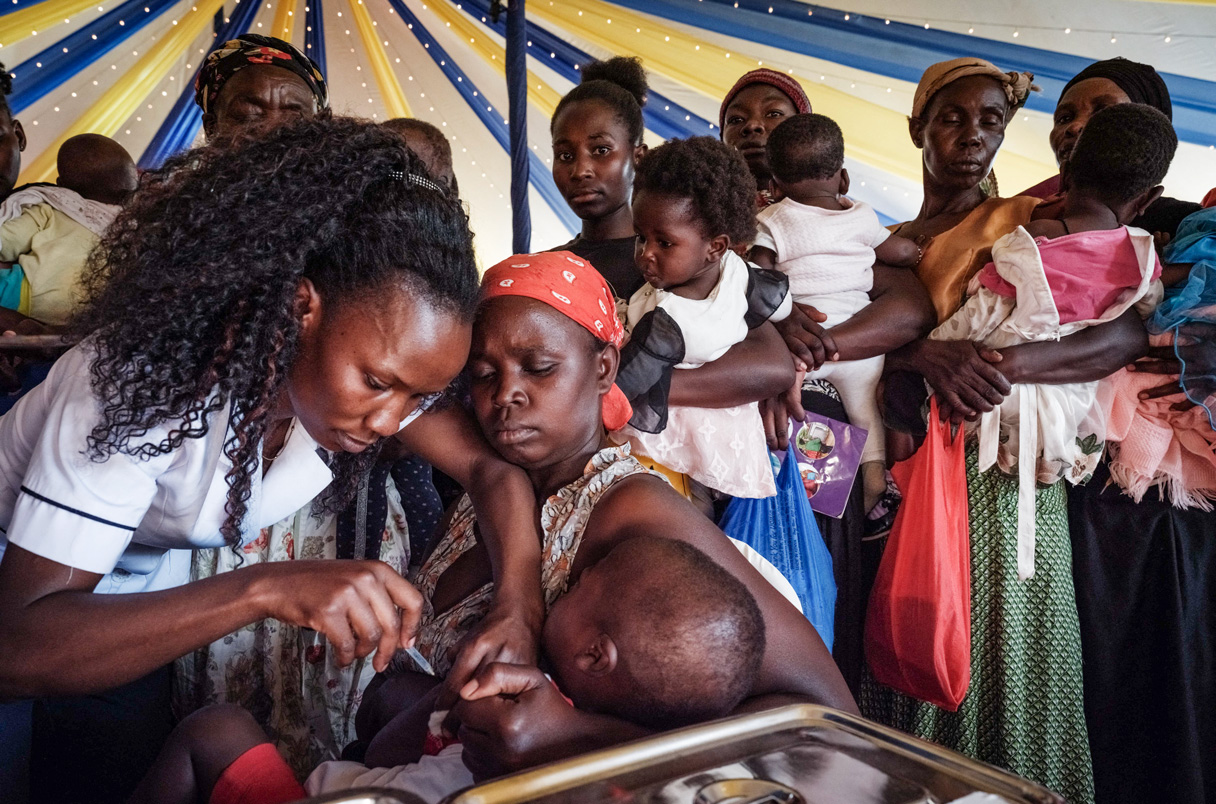
Malaria vaccine big advance against major child killer
It is almost two years to the day since the first vaccine - called RTS,S and developed by GSK - was backed by the WHO. […] The WHO said the effectiveness of the two vaccines was "very similar" and there was no evidence one was better than the other. However, the key difference is the ability to manufacture the University of Oxford vaccine - called R21 - at scale.
2023-10-01 @ 9.48.17 ∈ In English
(Another, even more beautiful demonstration further down.)
2023-09-30 @ 18.09.49 ∈ In English

Introducing the iNaturalist Geomodel · iNaturalist
Today, we’ve changed the Seen Nearby label on suggestions to Expected Nearby. The label comes from predictions made by the iNaturalist Geomodel that we’re introducing for the first time. […] The iNaturalist Geomodel takes a location as input and returns the most likely species at that location as output.