(From last week)
ecology
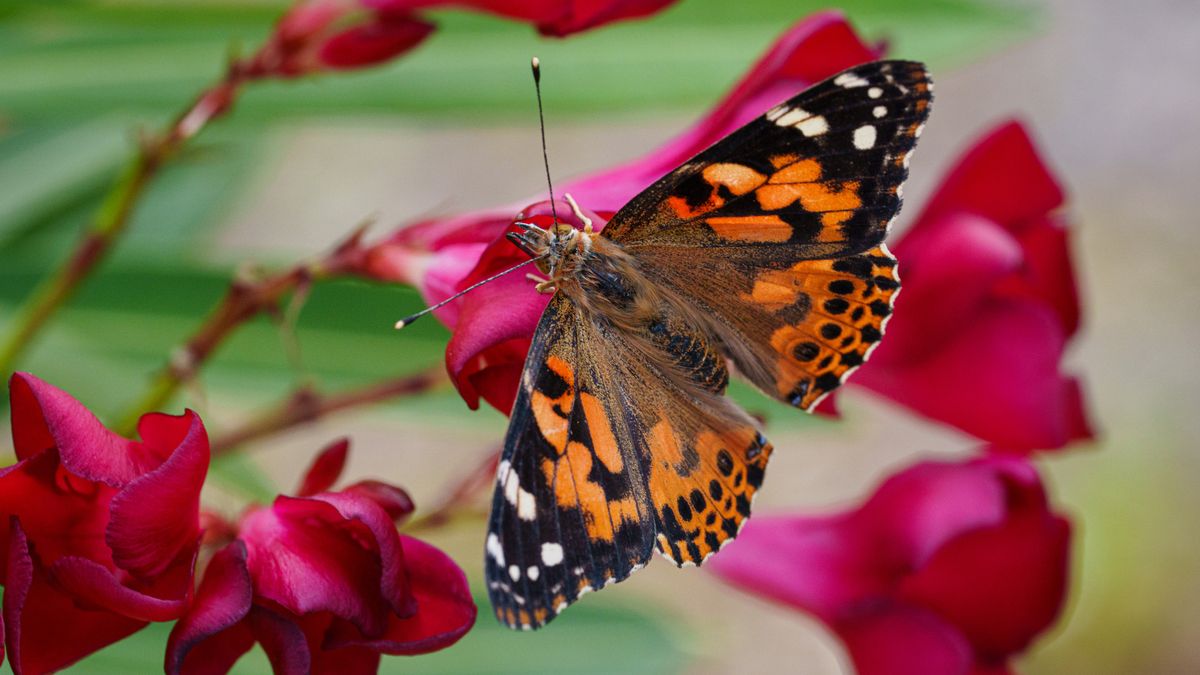
2024-06-29 @ 12.55.59 ∈ In English
In alphabetical order:Geranium sylvaticum, Hypericum maculatum, Knautia arvensis, Potentilla erecta, Ranunculus acris, Scorzoneroides autumnalis, Stellaria graminea, Succisa pratensis, Trifolium pratense, Trifolium repens.

2024-06-27 @ 11.14.53 ∈ In English
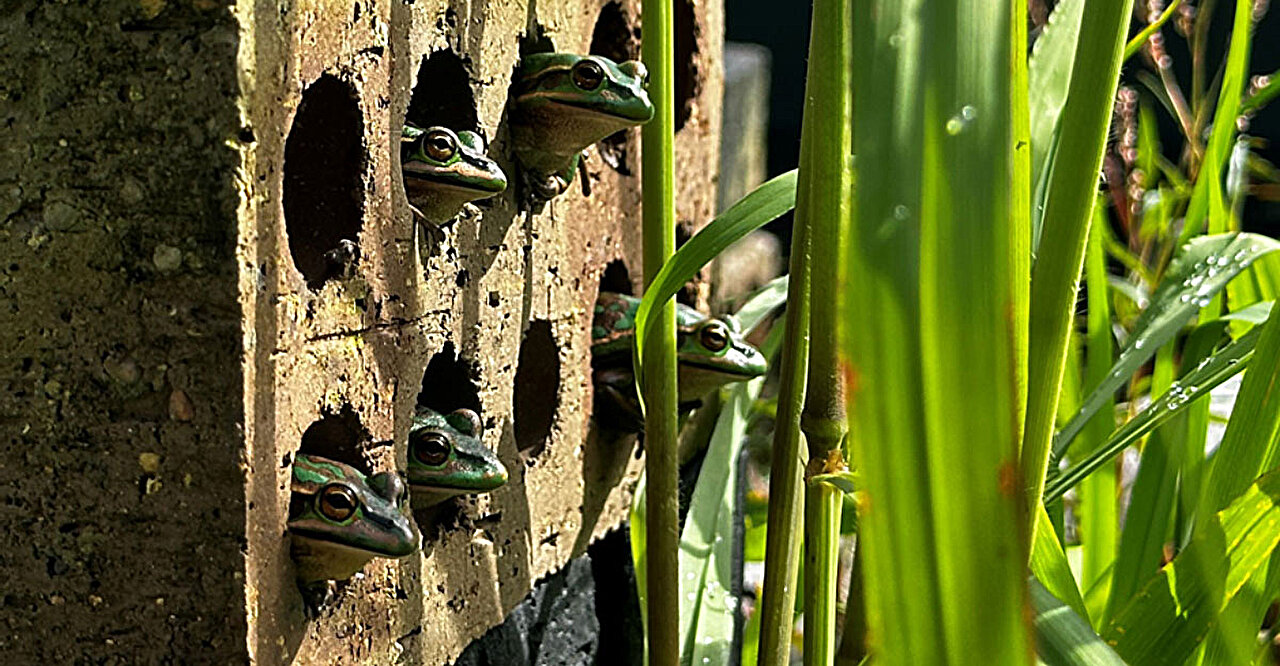
Frog ‘saunas’ help endangered frogs survive the devastating impacts of a deadly fungal disease
The research team found artificial 'hotspot' shelters built from readily available materials, such as bricks and PVC greenhouses, can allow frogs to quickly 'bake off' infections with the chytrid fungus. When frogs shifted to hotspot shelters, chytrid infections were reduced significantly.
2024-06-21 @ 10.52.17 ∈ In English
2024-06-19 @ 16.17.31 ∈ In English
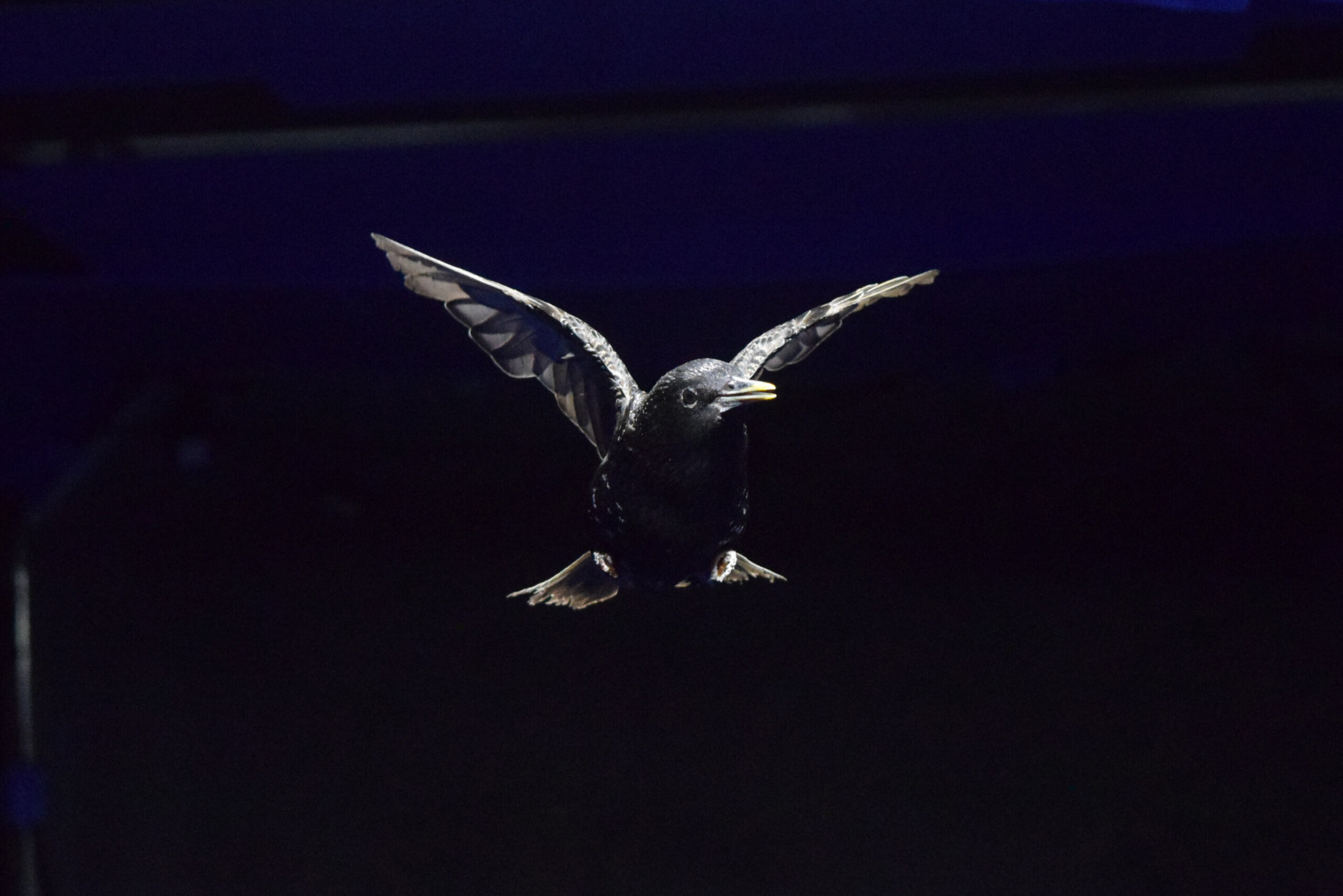
Starlings found to expend 25% less energy in follower position compared to flying solo
A multidisciplinary, multi-institutional team of researchers in the U.S. has found that starlings that fly in a follower position expend 25% less energy than when they fly solo. […] They also found that the birds that were the most naturally energy-efficient tended to adopt the leader role more readily and easily.
2024-06-10 @ 18.13.35 ∈ In English
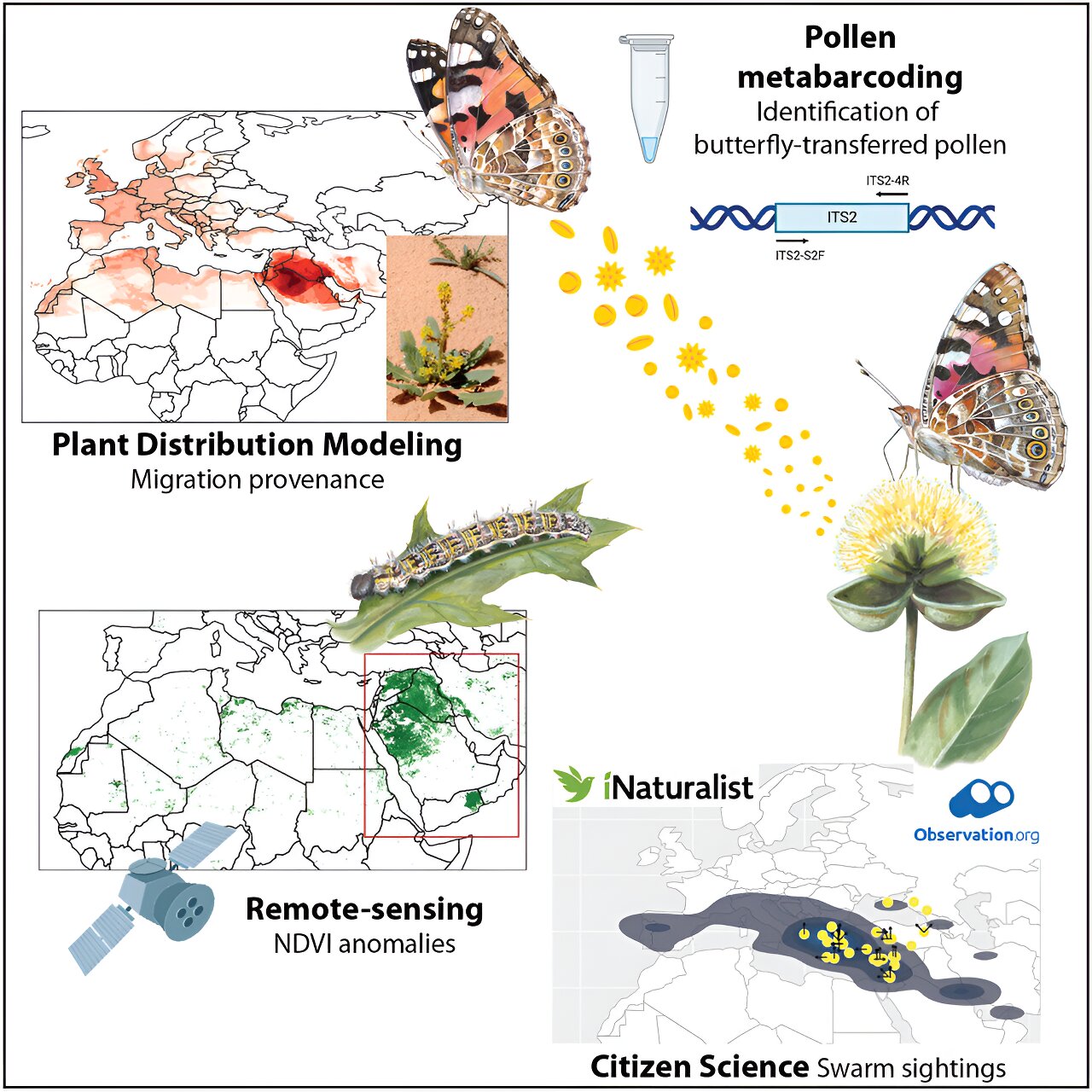
Excessive vegetation in Arabia triggered massive butterfly migrations in 2019 across Europe and Africa: Study
Pollen analysis showed that butterflies collected in Scandinavia had visited flowers of typically Mediterranean or Eastern European plants, while those collected in the Iberian Peninsula showed pollen from Northern Europe.
2024-06-08 @ 14.03.38 ∈ Suomeksi

2024-05-21 @ 18.08.05 ∈ In English
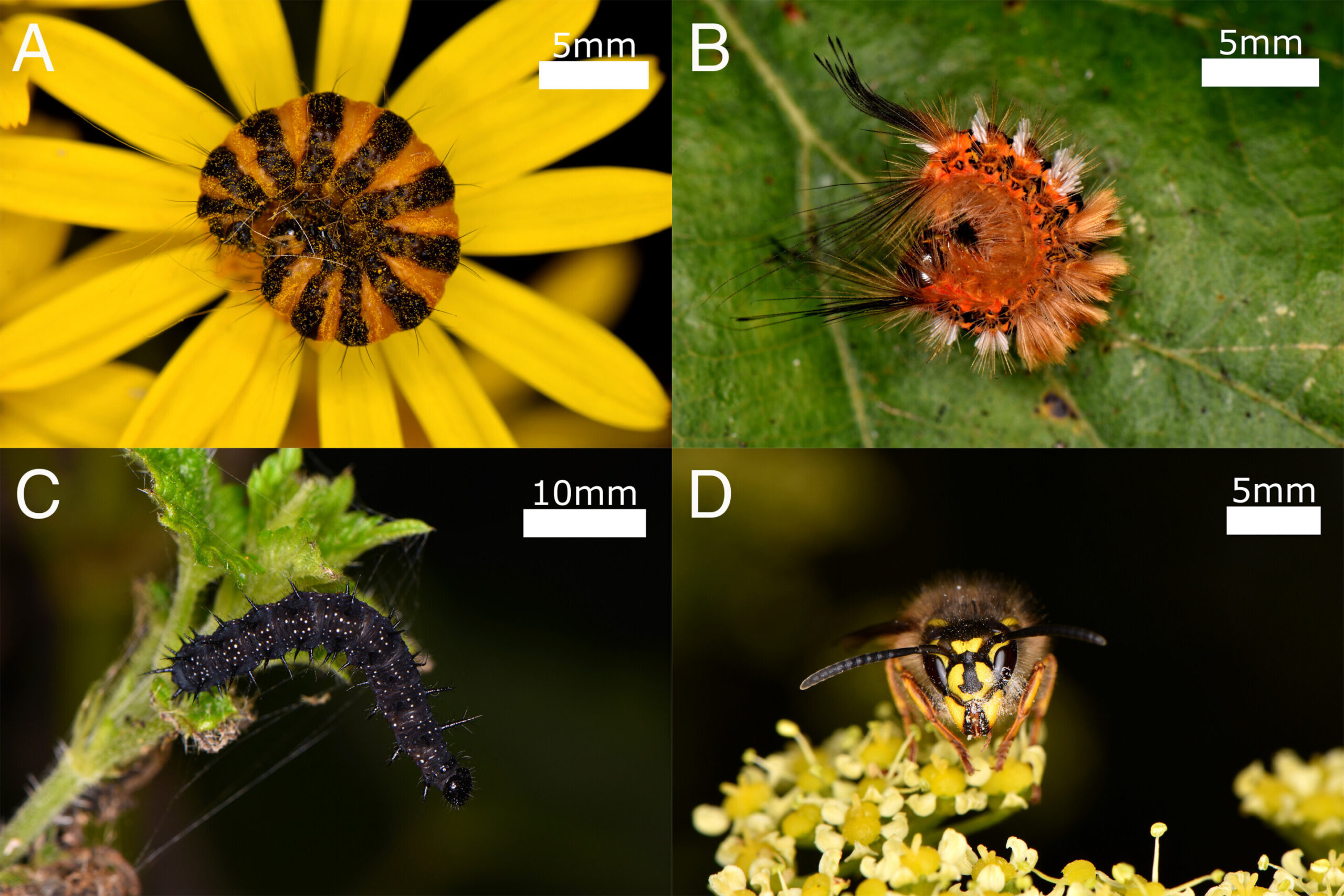
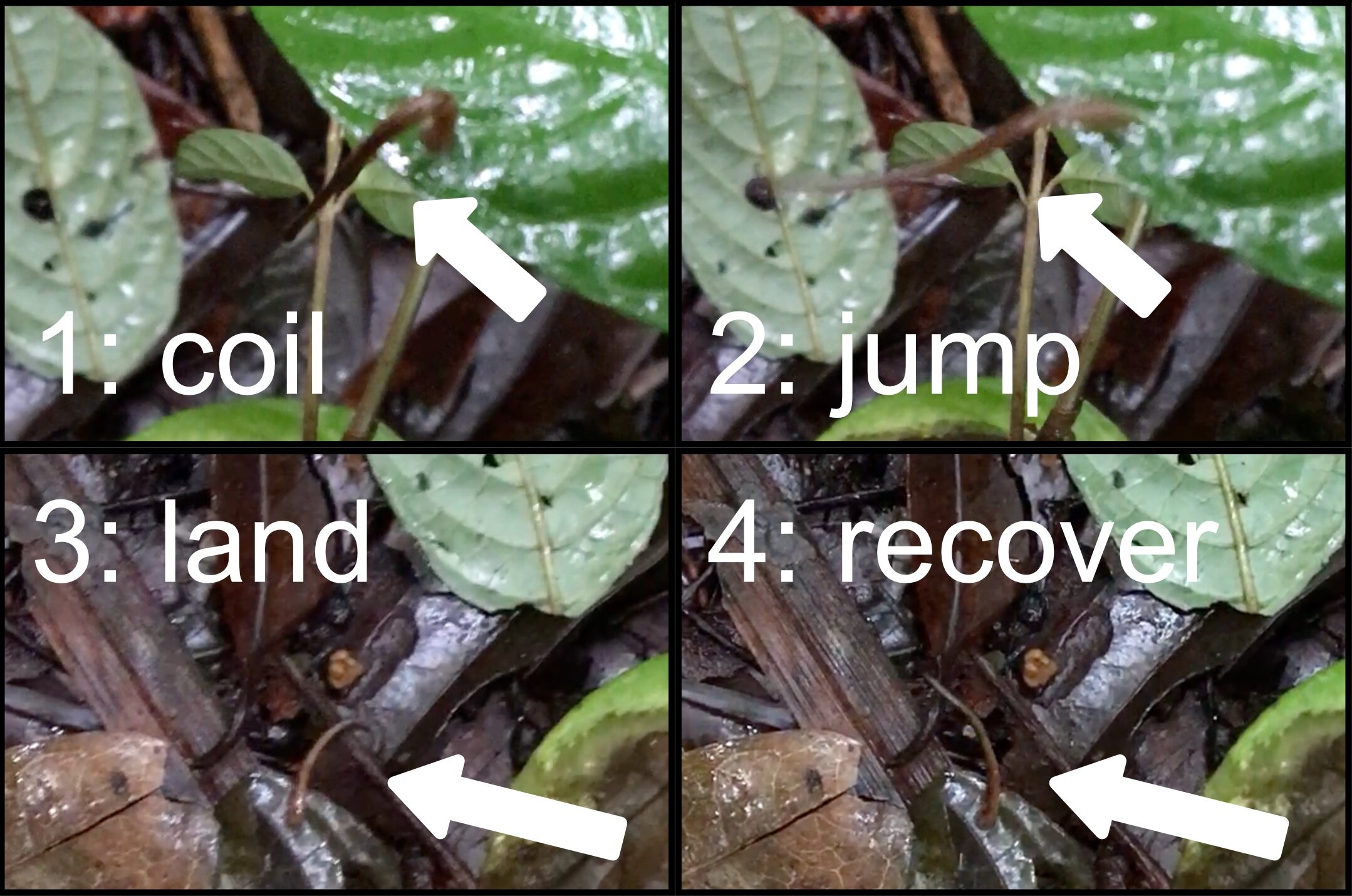
Biologists discover caterpillars are able to sense electrostatic fields generated by predators
[The researchers tested specimens of cinnabar moth, the scarce vapourer moth and the European peacock butterfly] for the ability to sense and react to an artificially generated electrostatic field that matched the output of that generated by a wasp. [All] three species responded very clearly to an electrostatic charge—some flailed their bodies, others coiled in a defensive posture.
2024-05-04 @ 10.24.23 ∈ Suomeksi

Kimalaiset rakentavat legopalikoilla tiedettä ja tunnistavat tiimityön arvon
”Tulokset viittaavat siihen, että kimalaisilla on kyky tunnistaa ja reagoida kumppaninsa läsnäoloon ja liikkeisiin, mikä on hämmästyttävä osoitus niiden sosiaalisesta älykkyydestä”, tutkimusta johtanut eläinekologian dosentti Olli Loukola kertoo.
2024-05-03 @ 17.11.30 ∈ In English
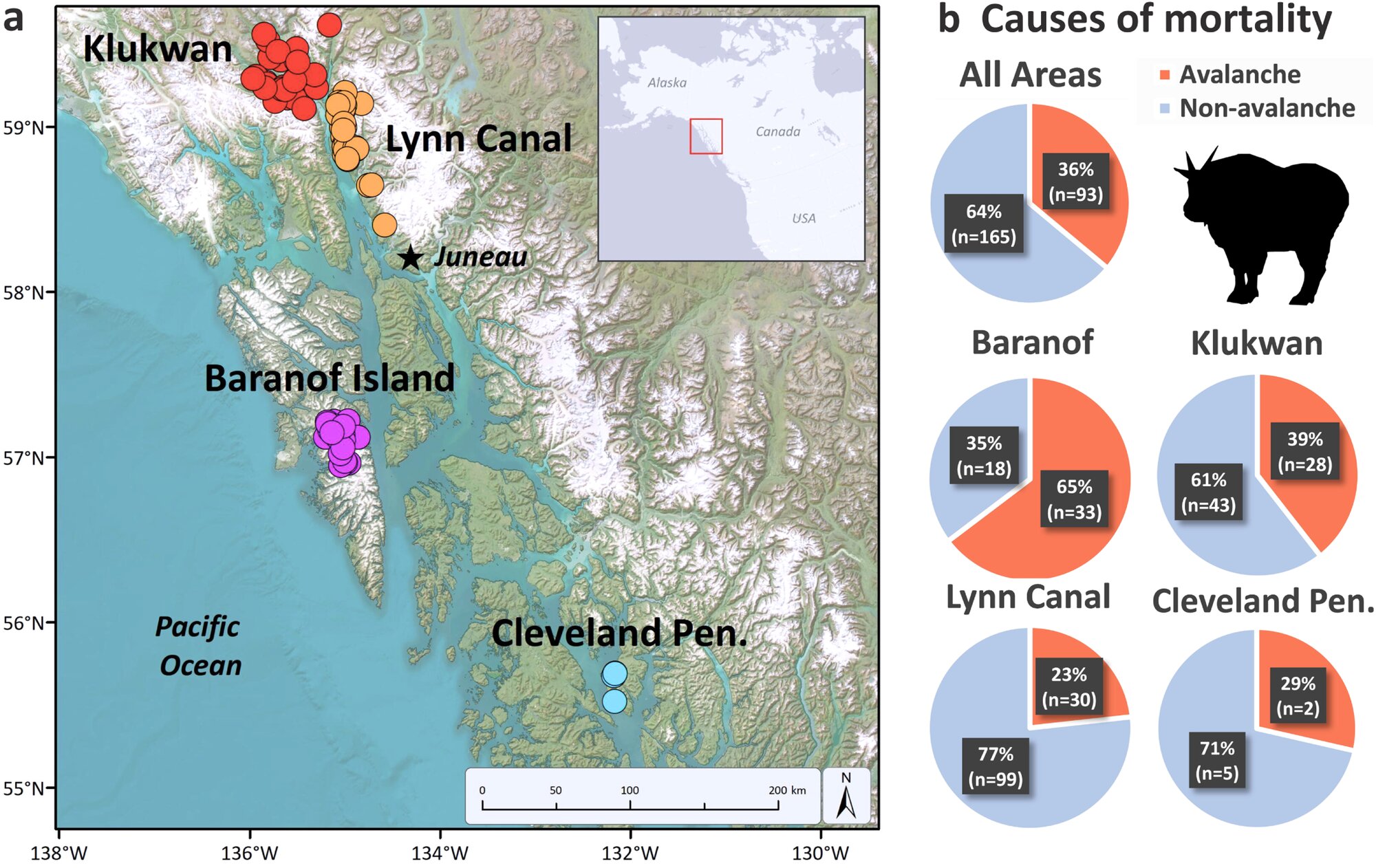
Researchers determine large numbers of wild mountain goats are killed every year by avalanches
The research team found that death by avalanche was common for the goats—in one region, it was responsible for 65% of deaths. They found that overall, approximately 8% of all wild mountain goat deaths in Alaska were due to avalanches—a percentage they describe as significant.