safety
2025-12-04 @ 18.34.29 ∈ In English

Unbee-lievable: Botswana elephants not easily fooled as scientists seek solution to human-elephant conflict
So why did Botswana's elephants react differently from those in countries where bee-based deterrents work? The answer may lie not with the elephants, but with the bees. […] Low bee numbers likely mean fewer elephants have had painful encounters with swarms, so have less reason to fear them.
2025-11-12 @ 16.37.37 ∈ In English
2025-10-06 @ 19.28.25 ∈ Suomeksi
2025-10-02 @ 11.11.22 ∈ In English
(More products were listed by ABC back in June, though in a cumbersome slideshow.)

Australia sunscreen scandal grows as more products pulled off shelves
Analysis by a consumer advocacy group in June found several popular and expensive sunscreens did not provide the protection claimed by their makers. One product, Ultra Violette's Lean Screen Skinscreen, is supposed to offer a skin protection factor (SPF) of 50+ but instead returned a result of SPF 4[.]
2025-07-08 @ 15.25.08 ∈ In English
2025-05-30 @ 20.31.51 ∈ Suomeksi

Yhä useampi joutuu sairaalahoitoon punkkien levittämän aivotulehduksen vuoksi – tautipiikki Oulun ja Kuopion alueilla
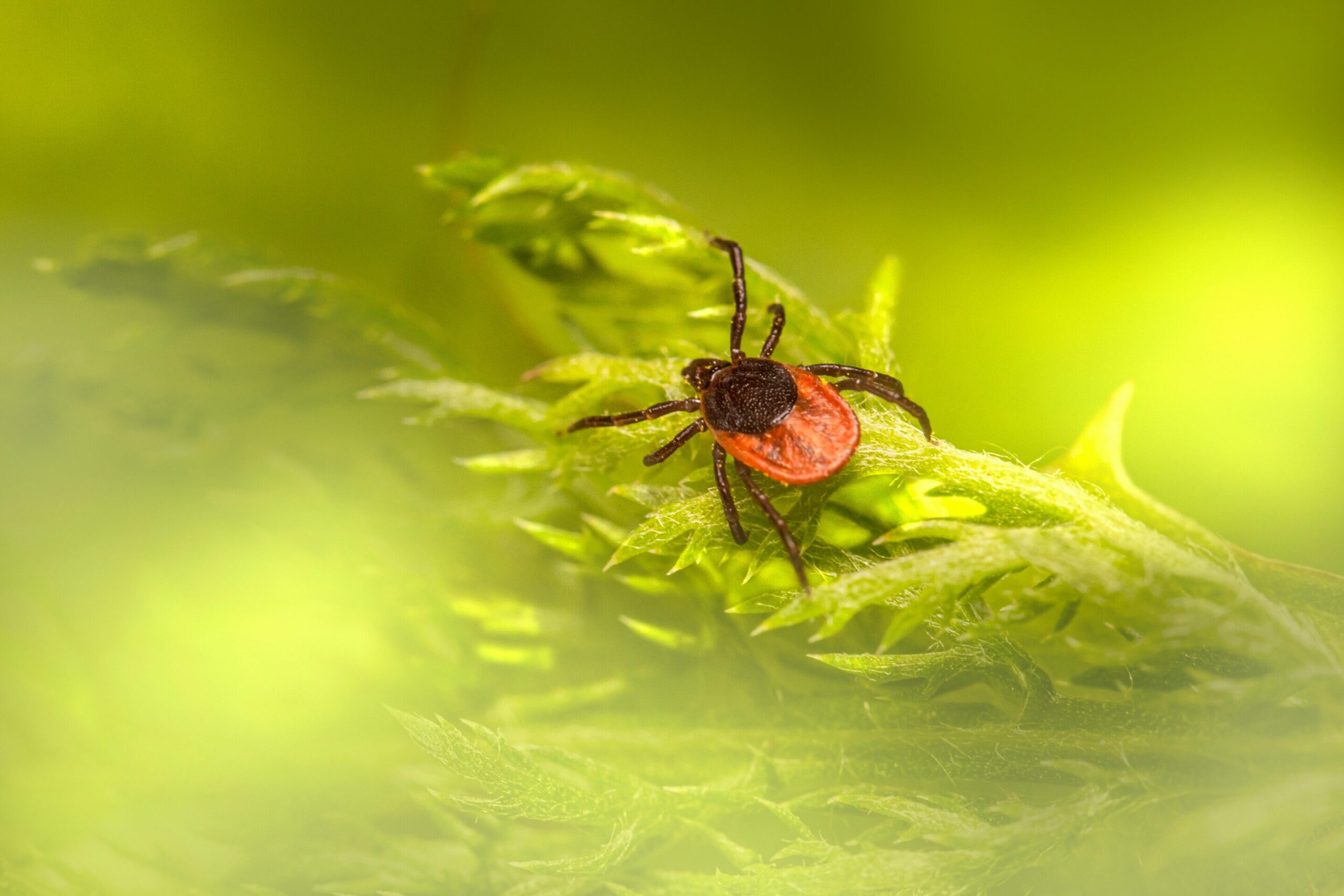
Punkkien levittämää puutiaisaivotulehdusta (TBE) on havaittu Suomessa aiempaa runsaammin kahden viime vuoden aikana. […] Varsinkin Pohjois-Pohjanmaan hyvinvointialue (Pohde) erottuu TBE-virustartuntojen yhtäkkisellä nousulla.
2025-05-07 @ 11.03.52 ∈ In English

A recently-discovered termite terminator is better, more targeted and won’t harm humans
UC Riverside researchers have found [a chemical preventing drywood termites from growing new exoskeletons. The chemical, bistrifluron is able to kill about 95% of a termite colony without off-target effects on mammals.]
2025-05-02 @ 14.28.55 ∈ In English
(Video via ABC News; shark footage from 0:40 onwards)
2025-04-21 @ 14.00.16 ∈ In English

More ticks carry Lyme disease bacteria in pheasant-release areas, research shows
Researchers studied ticks in 25 woodland areas in South West England where pheasants are released—and 25 nearby control sites where no pheasants are released. They found that Borrelia spp.—the bacteria that can cause Lyme disease—was almost 2.5 times more common in ticks in the pheasant-release areas.