lepidopterology
2026-04-02 @ 11.03.28 ∈ In English

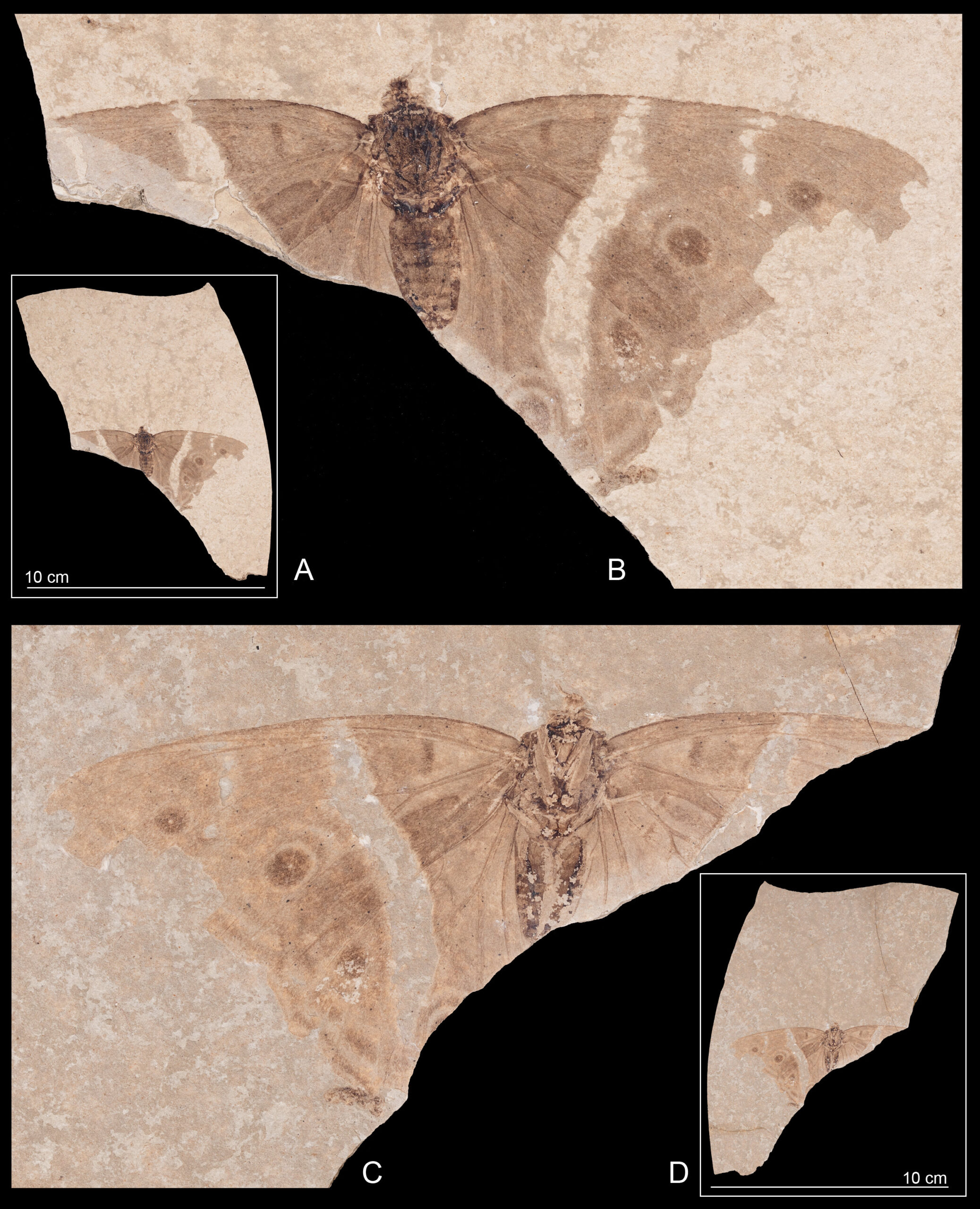
Researchers present first fossilized 'emperor' butterfly
Butterfly fossils are rare, and finds that preserve fine anatomical details and wing patterns are an absolute exception. An international research team[…] has now described an exceptionally well-preserved [Apaturinae] fossil, approximately 34 to 28 million years old.
2026-01-30 @ 11.56.48 ∈ In English

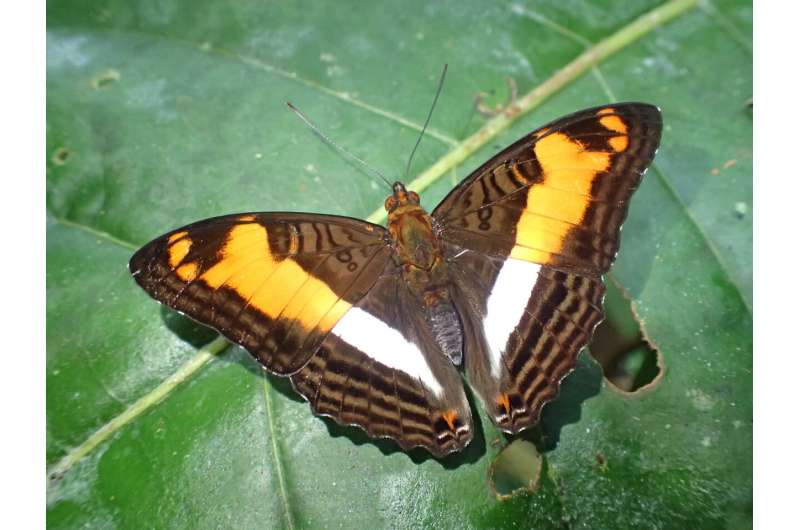
Tropical feedback loop: Butterfly mimicry patterns evolve faster near the equator
[If] one of your competitors was an Olympian speed runner, you'd quickly conclude that your time would be best spent chasing after some of the slower players. If there were multiple Olympian [runners, by wearing the same uniform they could implicitly tell] you not to bother trying to catch any of them.
2025-09-20 @ 14.34.31 ∈ In English
2025-08-28 @ 19.20.35 ∈ Suomeksi

Päiväaktiivisten yöperhosten suuremmat kuuloelimet kyseenalaistavat olettamukset niiden evoluutiosta | Helsingin yliopisto
Tutkijat tekivät odottamattoman löydön: päiväaktiivisilla yöperhosilla on suuremmat korvat kuin niiden yöaktiivisilla sukulaisilla. Havainto on yllättävä, koska päiväaktiiviset lajit eivät joudu kaikuluotaavien lepakoiden saalistamiksi.
2025-08-25 @ 16.51.03 ∈ In English
(Earlier: Why the UK’s butterflies are booming in 2025)

Why are we seeing so many butterflies in Ireland this year?
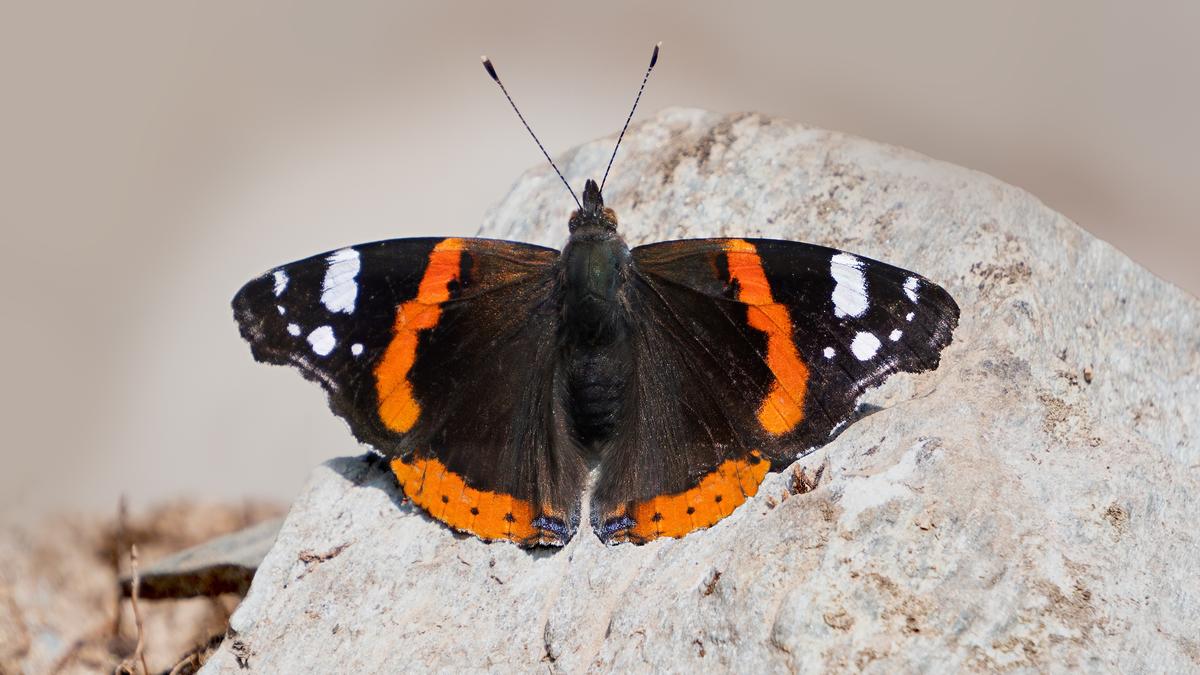
Another reason for the 2025 butterfly boom is the weather in Europe. Hot, dry weather creates drought, and butterflies capable of migration escape by altitudinal and geographical migration. By moving north, Clouded Yellow, Large White, Small White, Red Admiral and Painted Lady butterflies can find succulent foodplants for their caterpillars.
2025-08-05 @ 17.33.45 ∈ In English
2025-08-05 @ 17.13.54 ∈ In English
2025-05-09 @ 7.11.26 ∈ In English

European Red Admiral butterfly sighted for first time in Himachal’s Dhauladhar mountain range
The species was observed near Dharamshala in the Dhauladhar mountain range, marking its maiden appearance in the country. […] Interestingly, there remain no confirmed records of the species from China, Mongolia, or Afghanistan[.]