In English
2025-03-21 @ 19.50.54 ∈ In English

Antarctic bases are hotbeds of stress and violence; space stations could face the same challenges
Research suggests several psychological and social factors contribute to conflict in remote locations such as Antarctica. These include prolonged isolation, extreme environmental conditions, and the necessity of constant close contact.
2025-03-20 @ 19.18.27 ∈ In English

They’d rather die: The lesson that male roundworms refuse to learn
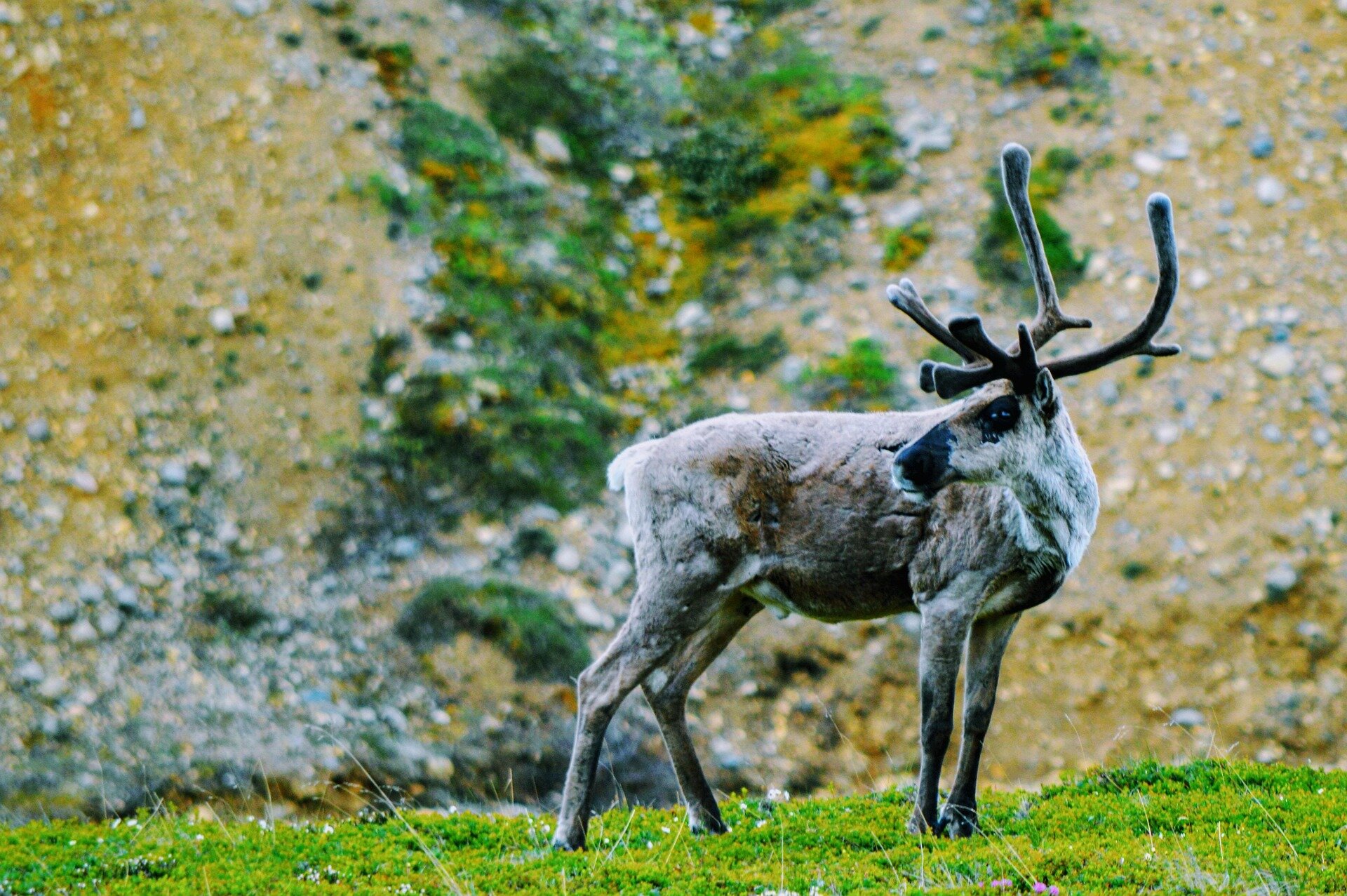
The female worms quickly learned to draw a link between the odor of the harmful bacteria and the disease that it causes, and therefore chose to eat the other bacterium. Most males, however, failed to learn and continued consuming the harmful bacterium, even though they got just as sick.
2025-03-19 @ 15.46.41 ∈ In English

A Dutch ‘fish doorbell’ has turned into an unlikely online hit combining slow TV and ecology
When somebody watching the site sees a fish, they can click a button that sends a screenshot to organizers. When they see enough fish, they alert a water worker who opens the lock to let the fish swim through.
2025-03-11 @ 13.15.55 ∈ In English
(Quote from 2005)
2025-03-08 @ 9.53.41 ∈ In English

The hidden world beneath the shadows of YouTube’s algorithm
The majority [of YouTube] exists in quiet moments, in shaky camera work and voices meant for no one in particular. [… Every] one of them is public, but it's also clear that most people didn't upload this content for strangers. It was like being let in on a secret, a sprawling, uncurated documentary of human life.
2025-02-28 @ 14.38.21 ∈ In English
2025-02-27 @ 17.09.34 ∈ In English

The loneliness paradox: How media narratives shape our solitude
[People] who believe being alone is harmful tend to feel lonelier after spending time alone in daily life. However, those with a more positive view of solitude don't just feel less lonely in the same situations, they actually feel more positive.
2025-02-26 @ 18.40.27 ∈ In English

Why do we fall for wellness scams? Our cultural biases and myths are often to blame
[Our shared mythologies and symbols] seem to make our lives more "efficient" by surpassing tedious fact-checking. Over time, these cultural codes become embedded into our psychologies, operating as background biases that shape our decision-making.